
Royal Caribbean Cruise: The Ultimate Vacation Experience (2025)
A Royal Caribbean cruise is still one of the rare vacations that can honestly claim to work for almost anyone — thrill-seekers, honeymooners, three-generation family reunions, and people who just want to eat well and stare at the ocean for a week straight. The line has been building ships and itineraries for more than 55 years, and it's still the one setting the pace for the entire industry. Other cruise lines build big ships too, but Royal Caribbean keeps raising the bar, whether that's the tallest waterslide at sea or a private island that pulls in more annual visitors than some national parks do.
This guide covers what actually matters if you're weighing a Royal Caribbean cruise for 2025 or 2026: the ships, where they sail, what there is to do once you're onboard, current pricing, and the features that separate this line from Carnival, Norwegian, or MSC.
Stunning Ships
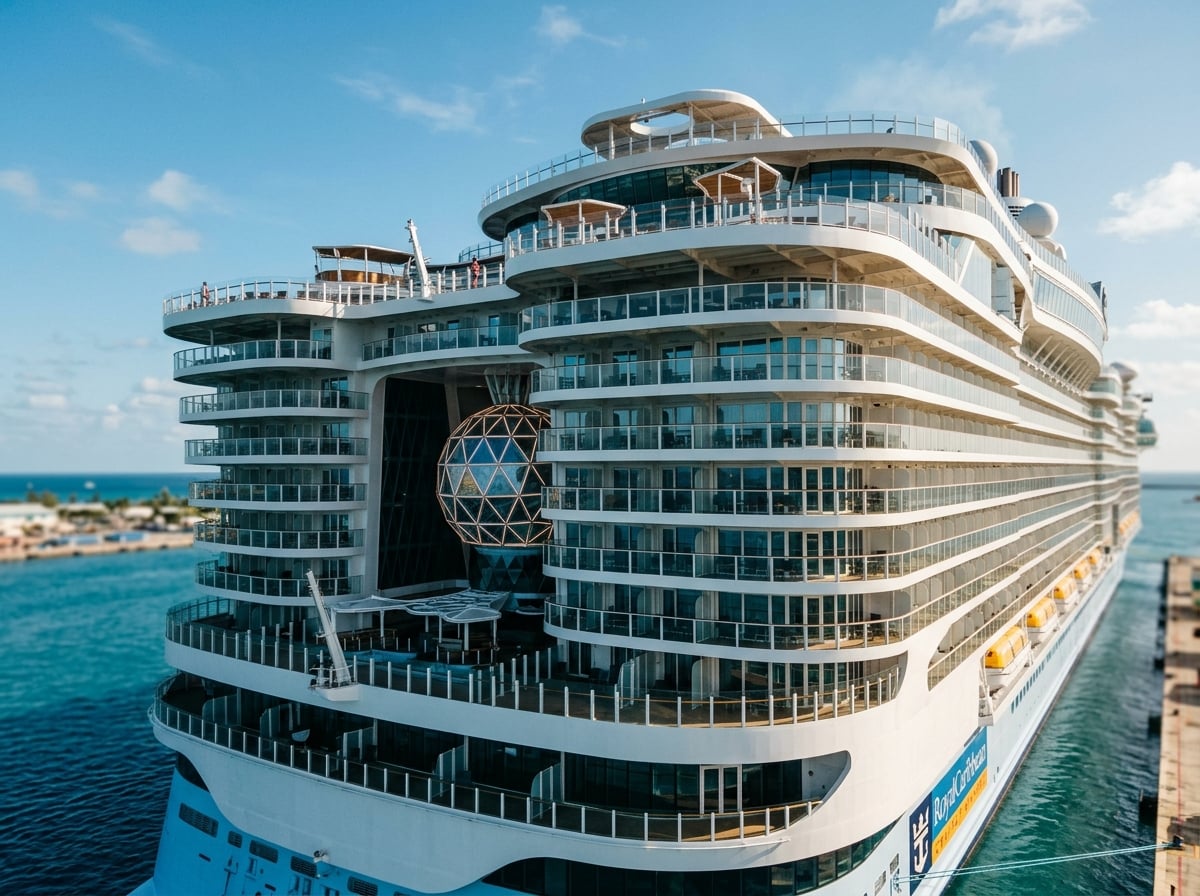
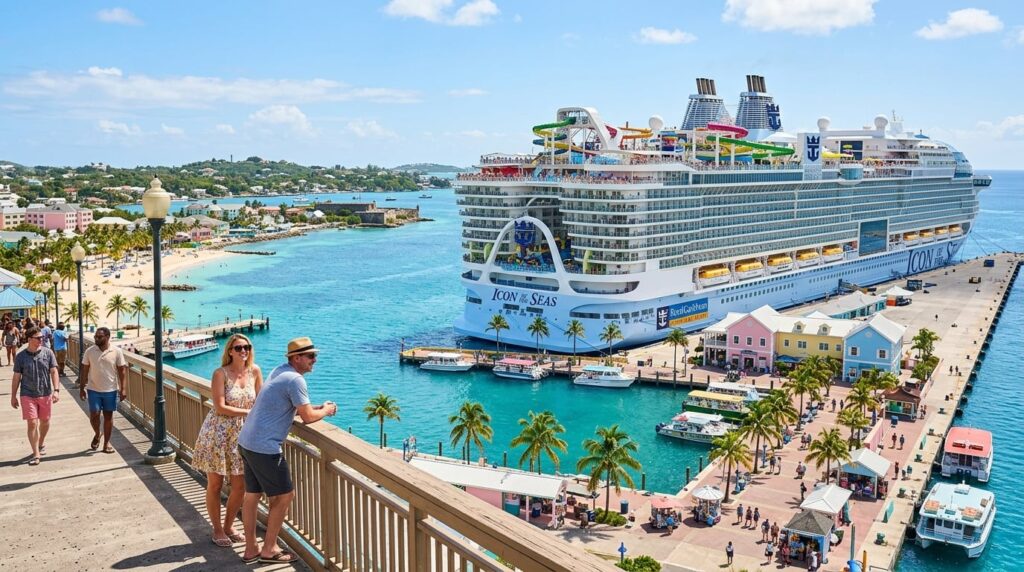
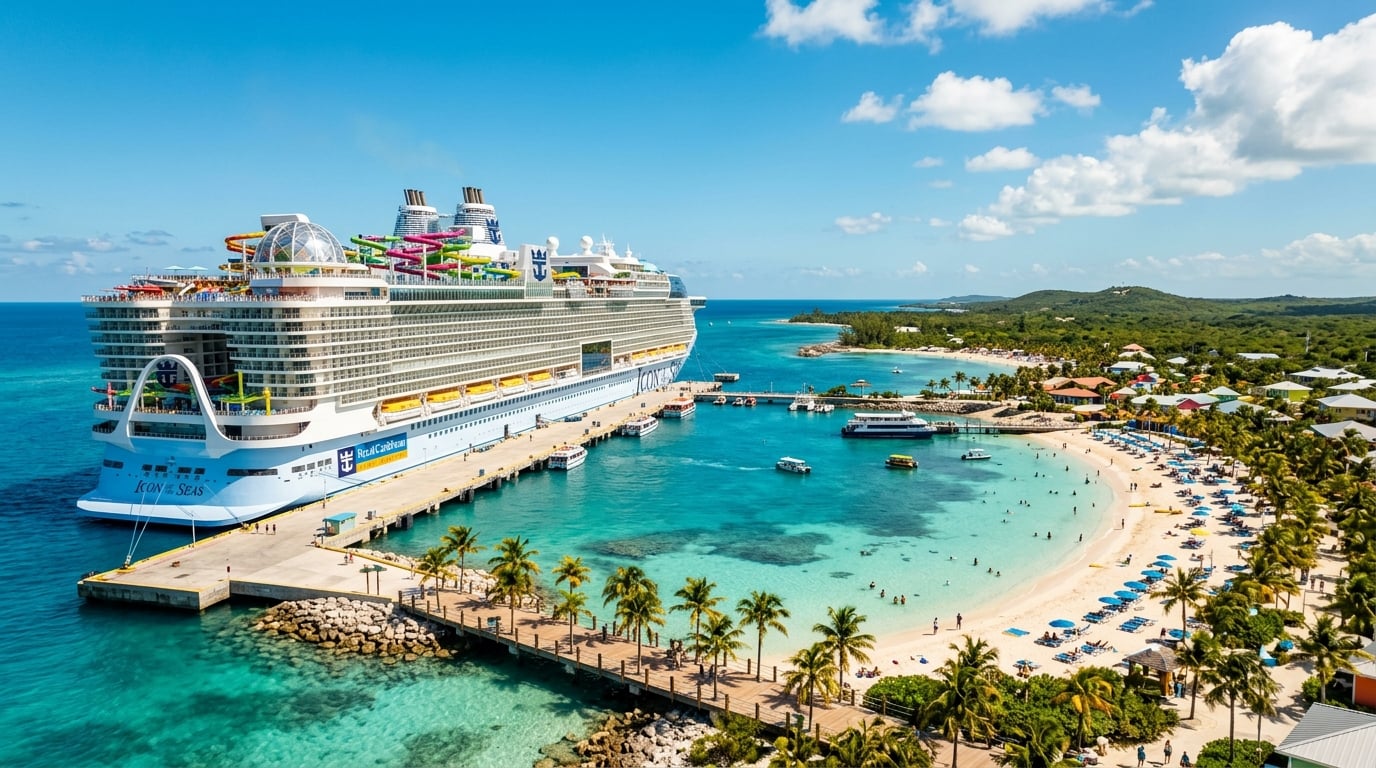
Royal Caribbean's fleet spans more than two dozen ships across several classes, and the gap between the oldest and newest vessels is enormous. The flagship class right now is Icon Class, and it isn't close. Icon of the Seas entered service in January 2024 as the largest cruise ship ever built, stretching roughly 1,198 feet and carrying about 7,600 guests at double occupancy — closer to 10,000 with every berth filled. Its sister ship, Star of the Seas, launched in August 2025 and follows the same blueprint: eight distinct neighborhoods, a waterpark that would qualify as a standalone attraction on land, and enough dining venues to eat somewhere new every night of a two-week sailing. A third Icon Class ship, Legend of the Seas, is under construction now and scheduled to debut in summer 2026, with a fourth already rumored for 2027.
Below Icon Class sits Oasis Class, which held the world's-largest-ship title for over a decade before Icon took it away. Oasis of the Seas, Allure of the Seas, Harmony of the Seas, Symphony of the Seas, Wonder of the Seas, and Utopia of the Seas (2024) all fall into this bracket. These ships are still enormous by any normal measure — over 1,180 feet long, carrying 5,500-plus guests — and honestly deliver better value than Icon Class, since fares tend to run noticeably lower for a nearly comparable experience.
Smaller but still impressive are the Quantum and Freedom Class ships, which sail shorter itineraries and appeal to travelers who want big-ship amenities without quite as much scale or crowd density. If you're cruising with young kids or simply prefer a calmer atmosphere, these mid-size ships deserve a look before you default to booking the newest, biggest vessel in the fleet.
Technology has become a genuine differentiator across the fleet. Most ships now run on SpaceX Starlink Wi-Fi, a real upgrade from the sluggish satellite internet cruise lines relied on just a few years ago — you can stream video or hop on a video call from the middle of the Atlantic now without much frustration. Keyless entry through the Royal Caribbean app has replaced key cards on newer ships, and virtual balconies in interior staterooms stream live ocean views so budget cabins don't feel like a sealed box.
Incredible Destinations
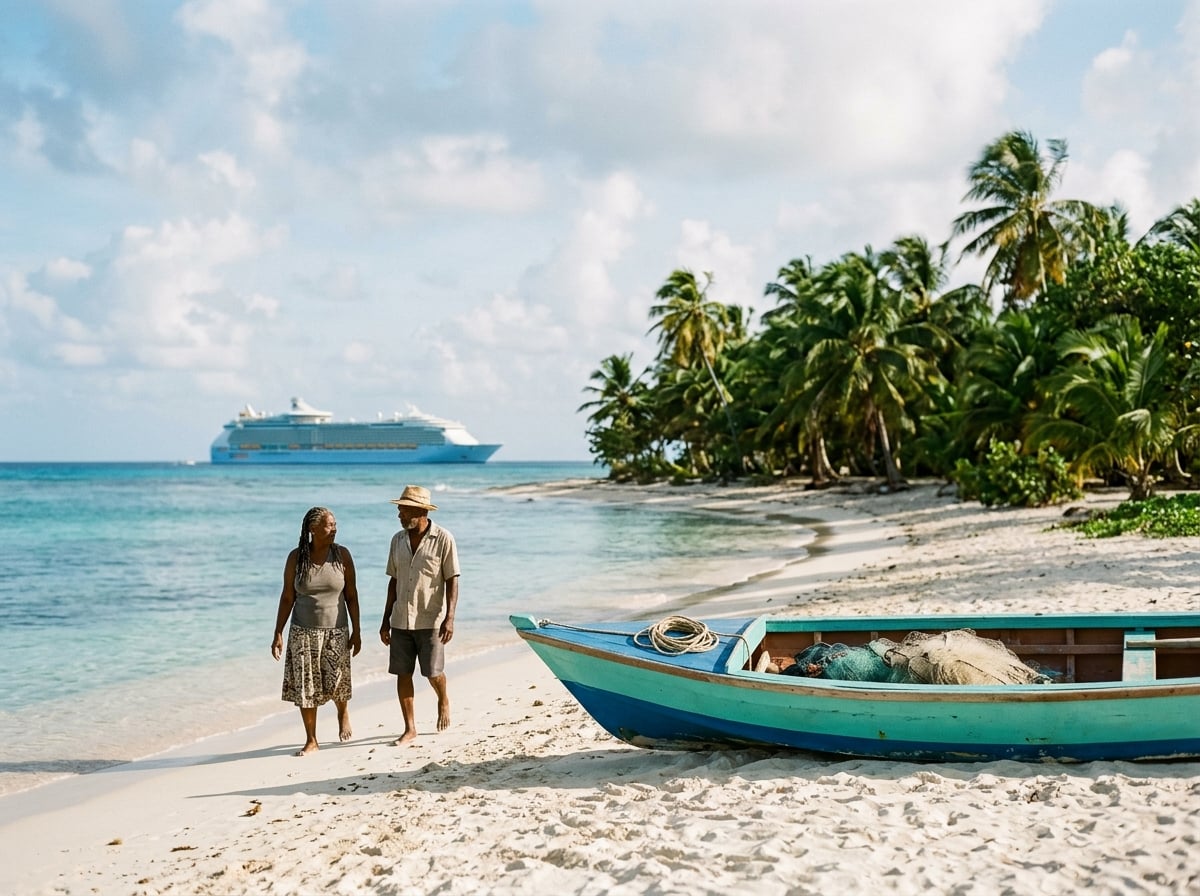
The ships get most of the attention, but where a Royal Caribbean cruise actually takes you matters just as much. The line sails to more than 300 destinations across roughly 80 countries, and the itinerary map genuinely spans the globe: Caribbean beach-hopping, Alaskan glacier viewing, Mediterranean port days steeped in history, and increasingly popular routes through Asia and the South Pacific.
The Caribbean is still the bread-and-butter region, and for good reason — warm water year-round, short flights for most of the East Coast, and a private-island system that's become a genuine competitive advantage. Perfect Day at CocoCay in the Bahamas remains the standout, with the tallest waterslide in North America, a wave pool, a zip line, and a helium balloon that lifts guests 450 feet for a bird's-eye view of the island. Royal Caribbean has kept expanding this private-destination strategy, rolling out the Royal Beach Club collection, with locations open or opening in Paradise Island and additional Caribbean and Mexican coastal spots over the next few years. These clubs skip the theme-park energy of CocoCay in favor of a calmer, more adult, resort-style beach day — a smart pivot given how many repeat cruisers were asking for exactly that. Families weighing similar warm-weather options elsewhere in the region might also want to compare notes with this guide to Caribbean resorts for families before deciding between a land stay and a cruise.
Outside the Caribbean, Alaska sailings out of Seattle or Vancouver hit Juneau, Skagway, and Ketchikan with glacier viewing built into most itineraries. European routes cover the Mediterranean's greatest hits — Barcelona, Rome, Santorini — along with Northern Europe routes through the Baltic and Norwegian fjords. For readers considering how a cruise stacks up against a land-based family trip in similar waters, the family holiday guide to Greece covers many of the same Mediterranean ports Royal Caribbean visits. If you want more background on the parent company steering all this expansion, the Royal Caribbean Group overview is a useful reference point.
Onboard Activities
Royal Caribbean essentially invented the idea that a cruise ship should double as an amusement park, and the fleet still leans hard into that identity. Rock-climbing walls, FlowRider surf simulators, ice-skating rinks, mini-golf, and zip lines show up across multiple ships, not just the flagship. The Perfect Storm racing waterslides are a fixture on Oasis and Freedom Class ships, and Icon Class pushed things further with Category 6, the largest waterpark at sea, featuring six slides including the first drop slide of its kind on a cruise ship.
Not everyone wants that much stimulation, and the line handles the quieter end of the spectrum well too. Vitality Spas offer full treatment menus and thermal suites, adults-only solariums provide a calm pool deck away from kids, and the production shows — aerial acrobatics, Broadway-style musicals — are genuinely well produced rather than the cruise-ship-theater cliché you might expect. Dining spans casual buffet fare to specialty restaurants with real culinary ambition; Chef's Table and Wonderland, a surreal Alice-in-Wonderland-themed tasting menu, are worth the upcharge if you're celebrating something specific.
Worth noting: the daily schedule (the "Cruise Compass" in the app) fills up fast on sea days, so it pays to book big-ticket activities — the waterslides with time slots, specialty dining, spa treatments — within the first day or two of boarding rather than waiting until mid-cruise.
Special Features Unique to Royal Caribbean
A handful of features show up nowhere else in the cruise industry, and they're a big part of why repeat cruisers stay loyal to this line specifically rather than shopping around each year.
Central Park
Found on every Oasis and Icon Class ship, Central Park is an open-air neighborhood built into the middle of the vessel, planted with more than 20,000 living plants and trees. It's genuinely quiet up there — no pool music, no announcements — and the restaurants lining the park tend to be some of the best specialty dining onboard.
Virtual Balconies
Interior staterooms on select ships include floor-to-ceiling HD screens streaming a live ocean feed synced to the ship's actual location. It's not a substitute for a real balcony, but it makes the cheapest cabin category feel far less claustrophobic than a traditional inside room.
Bionic Bar
Robotic bartenders mix drinks to order at the Bionic Bar, a feature that's more novelty than necessity but consistently draws a crowd. Order from a tablet, watch the robotic arms shake your cocktail, and grab a drink that tastes the same every time — a consistency a human bartender can't always match after a twelve-hour shift.
AquaTheater
An open-air amphitheater built into the stern of every Oasis Class ship, the AquaTheater hosts diving and acrobatic shows that rival what you'd see at a dedicated water park on land — high dives from platforms 30-plus feet above the pool, synchronized swimming, and aerial work over the water.
Royal Promenade
The indoor boulevard running through the center of the larger ships functions like a ship's main street — shops, bars, cafés, and parades all happen here. It's the spot where you'll actually bump into other passengers and get a feel for the ship's energy after dark.
Ultimate Abyss
The tallest slide at sea drops riders 10 decks in a matter of seconds, and it's become something of a rite of passage for first-time Oasis and Icon Class cruisers. It's free to ride, which is more than you can say for a lot of onboard attractions these days.
What a Royal Caribbean Cruise Actually Costs
Pricing varies enormously by ship, season, and cabin category, but a realistic starting point for a 2025 or 2026 sailing is somewhere between $700 and $1,200 per person for a week-long Caribbean itinerary in an interior or ocean-view cabin, based on double occupancy. Balcony cabins typically add $200 to $400 per person, and suites on Icon or Oasis Class ships can run several thousand dollars depending on size and location. Fares don't include gratuities (roughly $18–$20 per person per day), specialty dining, drink packages, shore excursions, or Wi-Fi upgrades beyond the base plan — those add-ons can easily total another $500–$1,000 per person over a week if you're not careful about budgeting for them ahead of time.
If cost is a real concern, book an Oasis Class ship instead of Icon Class. You'll get roughly 90% of the experience — waterslides, Central Park, AquaTheater — at a noticeably lower price point, since Icon Class still carries a premium simply for being the newest thing in the fleet. Booking 6–9 months out for Caribbean sailings, or watching for Royal Caribbean's periodic Wave Season sales in January and February, is usually the surest way to land a meaningfully lower fare rather than waiting for a last-minute deal that may never materialize. Travelers who also enjoy pairing a cruise with a land-based luxury stay before or after sailing might want to browse options like these honeymoon resort picks if the cruise is part of a longer celebration trip.
Who Should Book This Cruise Line
Families with kids of any age are well served here — the kids' clubs, waterparks, and family-friendly show schedule are genuinely built for multigenerational groups. Couples looking for a romantic trip should lean toward Central Park balcony cabins or the adults-only solarium areas rather than assuming the whole ship will feel intimate; on a 7,000-passenger vessel, you have to actively seek out the quieter corners. First-time cruisers tend to do best on Oasis or Icon Class simply because there's so much built into the ship itself that you don't need much shore-excursion planning to fill a week. If you're still deciding between a cruise and a resort-based trip, it's worth comparing what's included against something like the top Caribbean resorts for kids to see which format actually fits your family's pace better.
Before you fly out to embark, it's also worth double-checking your airline's carry-on rules, since cruise packing lists tend to run heavier than a typical vacation — a quick look at current carry-on luggage size restrictions can save you an unpleasant surprise at the gate. And if your cruise is bookended by a few nights on land, it's worth applying the same research you'd give any hotel stay — general planning advice like this roundup of travel tips worth knowing before any trip applies just as much to a pre-cruise hotel stay as it does to the sailing itself.
Final Thoughts
A Royal Caribbean cruise still delivers on the promise of a genuinely all-in-one vacation — record-setting ships, a private island system that keeps expanding, and onboard features no competitor has managed to replicate at the same scale. Icon of the Seas and Star of the Seas get the headlines, but the older Oasis Class ships remain the smarter financial choice for most travelers without giving up much of the experience. Whichever ship or itinerary you pick, this is still one of the most reliable ways to pack a lot of vacation into a single week.