

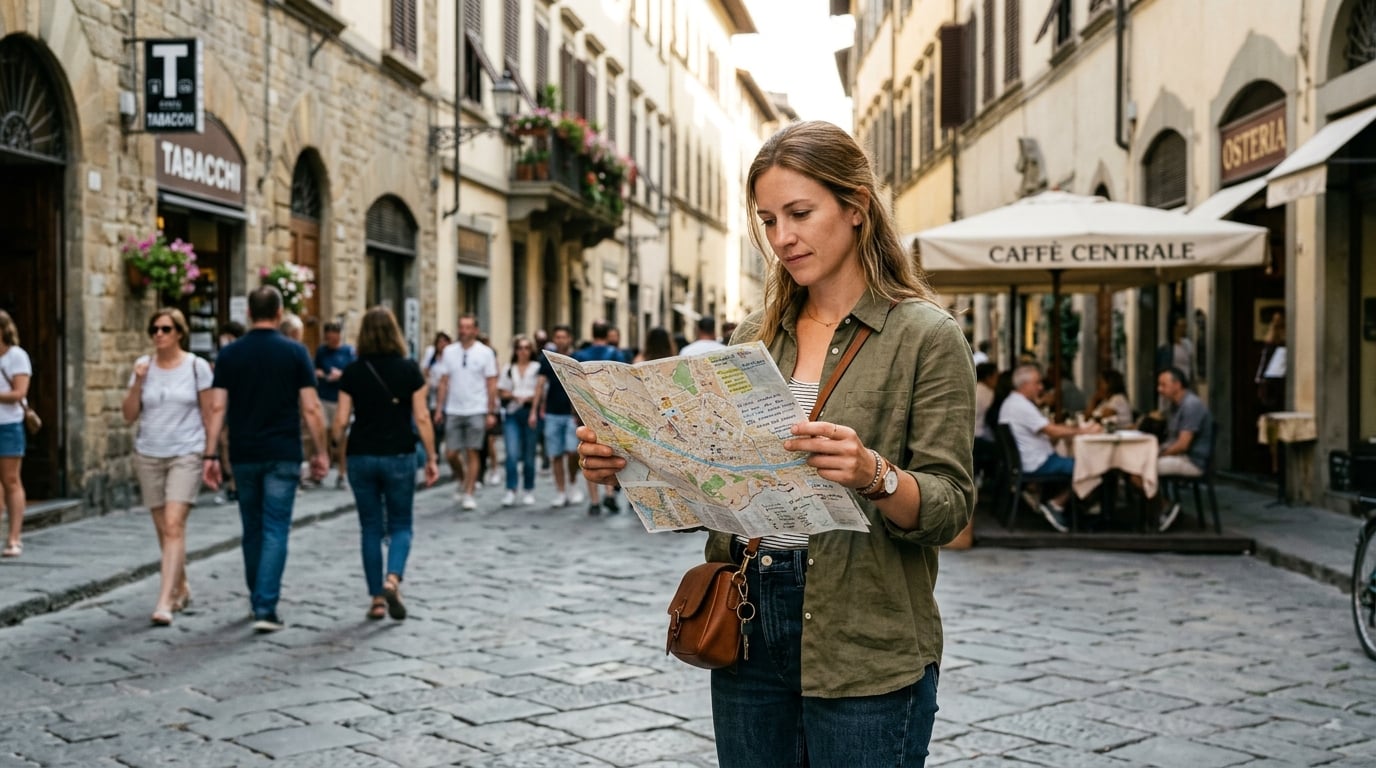
10 Travel Tips You Must Know Before Your Next Trip (2025)
Traveling still ranks among life's most rewarding pursuits, but anyone who's stood in a visa line at 6 a.m. or watched a connecting flight vanish from the departures board knows it can also go sideways fast. The gap between a trip that flows and one that frustrates usually comes down to preparation done before you leave home, not clever improvising once you're already there. Whether you're piecing together a family holiday or squeezing in a solo weekend escape, the tips below reflect what actually works right now — not generic advice recycled from a decade-old listicle.
A lot has shifted in how people travel over the past couple of years: eSIMs have replaced airport SIM card kiosks, more cities are charging entry fees to manage crowds, and travel insurance has gone from a nice-to-have to something you book the same day as your flights. This guide walks through the ten things worth getting right before you go.
1. Research Your Destination Thoroughly
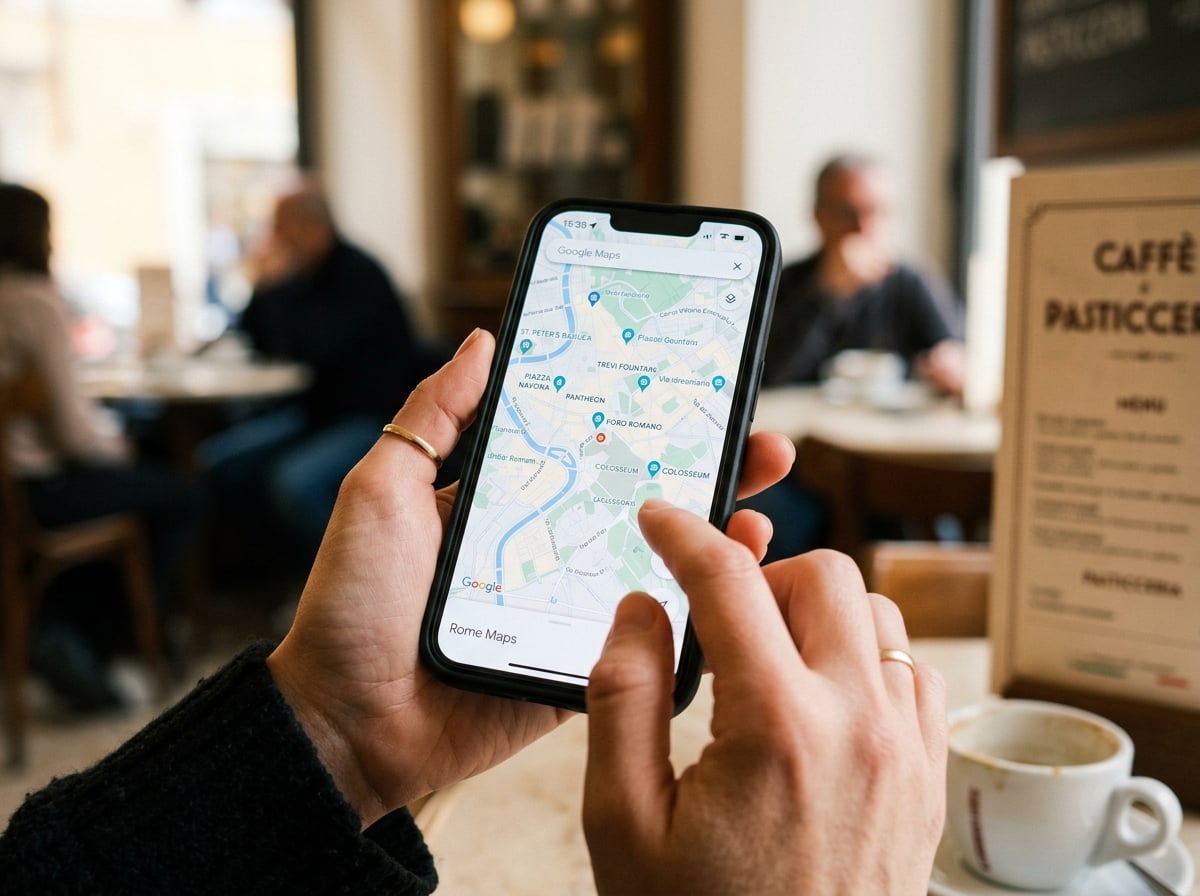
Spend real time understanding where you're headed before you book anything else. That means local customs, current weather patterns, currency quirks, and how people actually get around once they land. Google Maps now lets you download entire city maps for offline use, which has quietly become one of the most useful travel tools available — no data plan required to find your way out of a subway station at midnight.
Check your government's official travel advisories before finalizing plans. The U.S. State Department and the UK's FCDO both publish country-specific safety bulletins that get updated far more often than most travelers realize, sometimes within days of a local event. Passport validity trips people up constantly: most countries still require at least six months of validity beyond your travel dates, and immigration officers won't make exceptions at the gate, no matter how good your excuse is. The EU's ETIAS travel authorization has already been pushed back several times and is now expected to launch in late 2026 for visa-exempt visitors to the Schengen Area — worth tracking if a European trip is on your radar for next year. If a city break is on the cards, something like this guide to the best neighborhoods to stay in Paris can save you from booking a hotel in the wrong part of town entirely, which happens more often than travelers admit.
If you're weighing a bigger family trip instead, it's worth digging into destination-specific guides early. A resource like this family holiday guide to Greece covers the kind of logistics — island-hopping schedules, kid-friendly beaches, timing around the heat — that general advice tends to skip over.
2. Pack Smart and Light

Packing anxiety is real, but it's almost always solved by starting with a list and then cutting it by a third. Stick to clothing you can layer and remix into several outfits, and resist the urge to pack "just in case" items that never leave the suitcase.
- Packing cubes or compression bags genuinely change how much fits in a carry-on — it's not a gimmick, it's just better use of space.
- A power bank with USB-C fast charging is worth the extra weight. Phone batteries drain twice as fast when you're relying on maps and translation apps all day.
- Keep medication, travel documents, and chargers in your carry-on, never checked luggage. Lost bags happen more than airlines like to admit.
- Airlines revise their baggage rules more often than travelers expect, so check current carry-on luggage size restrictions before you pack, especially with budget carriers that enforce weight limits strictly at the gate and charge steep fees for anything over.
Leave a bit of spare room, too. Souvenirs and impulse market finds have a way of multiplying by the end of a trip, and nobody wants to be repacking on a hotel bed at 5 a.m. trying to make a bag close.
3. Plan and Track Your Budget
Travel costs add up in ways that are easy to underestimate — accommodation, transport, food, activities, and then the inevitable expenses nobody plans for, like a taxi surcharge or a museum that only takes cash. Build a realistic budget that includes a buffer of at least 10-15% for surprises, and look into shoulder-season pricing, which can cut accommodation costs by 30% or more in popular destinations.
A travel rewards card with no foreign transaction fees pays for itself quickly. Multi-currency accounts like Wise and Revolut have become the default for a lot of frequent travelers because the exchange rates beat airport kiosks by a wide margin — often 5-8% better, depending on the currency pair. For tracking spending on the road, apps like Trail Wallet or Splitwise remove the guesswork, particularly useful when you're splitting costs with travel companions and don't want the awkward math at the end of the trip.
If you're eyeing a splurge — a luxury resort stay, a honeymoon suite, something with a private pool — build that into the budget from day one rather than deciding on impulse mid-trip. Guides covering options like the best resorts for honeymooners or hotels with a room private pool are useful for pricing out what these categories actually cost before you fall for a listing online.
4. Stay Flexible and Adaptable
Even the most carefully built itinerary meets reality eventually — a delayed flight, a closed attraction, a sudden downpour that reroutes your whole afternoon. Book accommodations and transport with free cancellation whenever the price difference is small, and resist the temptation to schedule every hour of every day. Some of the best travel moments happen in the gaps between plans, not during them, and an itinerary packed too tightly leaves no room for those.
5. Stay Connected on the Go
Staying connected abroad is cheaper and simpler than it's ever been. eSIMs have mostly replaced the old routine of hunting for a local SIM card at the airport — services like Airalo, Holafly, and Nomad let you activate a data plan for your destination in minutes, often before you've even landed. Download offline maps, translation apps, and your booking confirmations in advance, since airport Wi-Fi is unreliable more often than anyone would like to admit. It's also worth noting your accommodation's Wi-Fi password somewhere accessible offline, and keeping both digital and printed copies of key documents in case your phone dies at the worst possible moment — usually right when you need to show a booking reference to a confused front desk clerk.
6. Prioritize Your Safety
Safety comes first, always. Share your itinerary with someone at home and consider turning on location sharing for at least part of your trip — it costs nothing and gives someone a starting point if things go wrong. Store copies of your passport, insurance details, and emergency contacts somewhere secure in the cloud, separate from your physical documents.
- An anti-theft bag or money belt is worth it in crowded tourist areas, particularly in cities known for pickpocketing.
- A quick search for "[destination] common scams" before you arrive reveals patterns that repeat across cities and decades — fake petitions, overly friendly strangers, rigged taxi meters.
- The number 112 works as an emergency line across the EU and in many other countries, which is easier to remember than hunting for a country-specific number under pressure.
- Never leave a bag, phone, or camera unattended in public, even for thirty seconds. It only takes one distracted moment.
7. Embrace the Local Culture
The best part of travel is rarely the landmarks — it's the small cultural moments that don't make it into guidebooks. Learning a handful of phrases in the local language, even just "hello" and "thank you," changes how people respond to you almost immediately. Dress codes matter more than casual travelers sometimes assume, particularly at religious sites, so it's worth checking expectations in advance rather than getting turned away at the door in shorts and a tank top.
Eating where locals eat, rather than wherever's closest to your hotel, tends to produce the better meals anyway. If your travels take you toward Southeast Asia, experiences like those covered in this guide to must-try experiences in Ubud show how much richer a trip gets when you build in time for local rituals, markets, and craft workshops instead of just checking off sights. The same logic applies almost anywhere — a night market or a family-run restaurant will usually teach you more about a place than its most famous monument.
8. Practice Sustainable Travel
Overtourism isn't an abstract concern anymore — it's reshaping how cities manage visitors. Venice continues charging a day-tripper entry fee on peak dates, Barcelona has expanded its tourist tax again for 2025, and Amsterdam has capped cruise ship arrivals to reduce crowding in its historic center. Bali has also introduced a foreign tourist levy aimed at funding environmental protection, a sign that even destinations built around tourism income are rethinking how many visitors they can absorb. None of this makes travel harder; it just means a bit more awareness pays off.
- Carry a reusable water bottle and a foldable shopping bag — small habits that add up across a trip.
- Choose accommodations with genuine eco-certifications rather than vague "green" marketing claims plastered on a homepage.
- Keep a respectful distance from wildlife, and skip any tour that lets you touch or ride animals for photos.
- Traveling in shoulder seasons doesn't just save money — it noticeably eases pressure on popular sites and the communities around them.
9. Prepare for the Unexpected
Even meticulously planned trips run into trouble. Travel insurance isn't optional at this point — look for a policy that covers medical emergencies, trip cancellations, lost luggage, and ideally delays or disruptions too, since claims for missed connections and rebooked flights have become far more common in the past couple of years. Keep a small cash reserve somewhere separate from your main wallet, pack a compact first-aid kit, and know exactly how to reach your country's nearest embassy or consulate before you need to find out the hard way.
If you're traveling with pets, the unexpected list gets longer — vet documentation, pet-friendly transit options, and accommodations that actually mean it when they say "pet-friendly." A guide to luxury dog-friendly hotels is a good starting point for figuring out which properties genuinely cater to traveling with animals versus those that merely tolerate them.
10. Enjoy the Journey
It's easy to get so focused on itineraries, photos, and ticking off landmarks that the actual experience of being somewhere new slips past unnoticed. Some of the most memorable parts of any trip aren't planned at all — an unexpected conversation with a shop owner, a side street that turns into the best meal of the week, a bus that goes the wrong way and somehow works out better. Slow down where you can. The itinerary will still be there tomorrow, and honestly, skipping one museum rarely ruins a trip the way people fear it will.
Final Thoughts
Good travel doesn't require obsessive planning — it requires the right kind of planning. Research your destination properly, pack with intention rather than fear, keep your budget honest, and leave room in your schedule for things to go differently than expected. Combine that with a bit of cultural awareness and a genuine effort toward sustainable choices, and most of what used to go wrong on trips simply stops happening. Save this guide, pack light, and get moving — the next trip is always better than the last one you overthought.






4 thoughts on “10 Travel Tips You Must Know Before Your Next Trip (2025)”