12 Best Things to Do in Phuket (2026 Travel Guide)
I’ve been coming back to Phuket for over a decade now, and it still manages to surprise me. Thailand’s largest island has this rare ability to be several destinations at once — a beach resort, a cultural time capsule, a jungle adventure base, and a nightlife capital — depending on which direction you drive. Most first-timers land expecting sand and cocktails, and they get plenty of that, but the island rewards anyone willing to venture past the resort strip.
The tourism numbers back this up. Phuket pulled in well over 9 million visitors last year, with arrivals from India, China, and Europe all climbing steadily since the island’s post-pandemic recovery leveled off into something more sustainable. Infrastructure has kept pace, too — Phuket International Airport has settled into its expanded terminal capacity, and Maya Bay’s stricter visitor rules have actually improved the Phi Phi experience rather than diminished it. Flight connections have also multiplied, with more direct routes from Delhi, Mumbai, and several Chinese hubs than existed even three years ago.
Here are the 12 experiences I’d put at the top of any Phuket itinerary, updated with current prices, seasonal advice, and a few honest opinions about what’s actually worth your time.
1. Relax on the Best Beaches
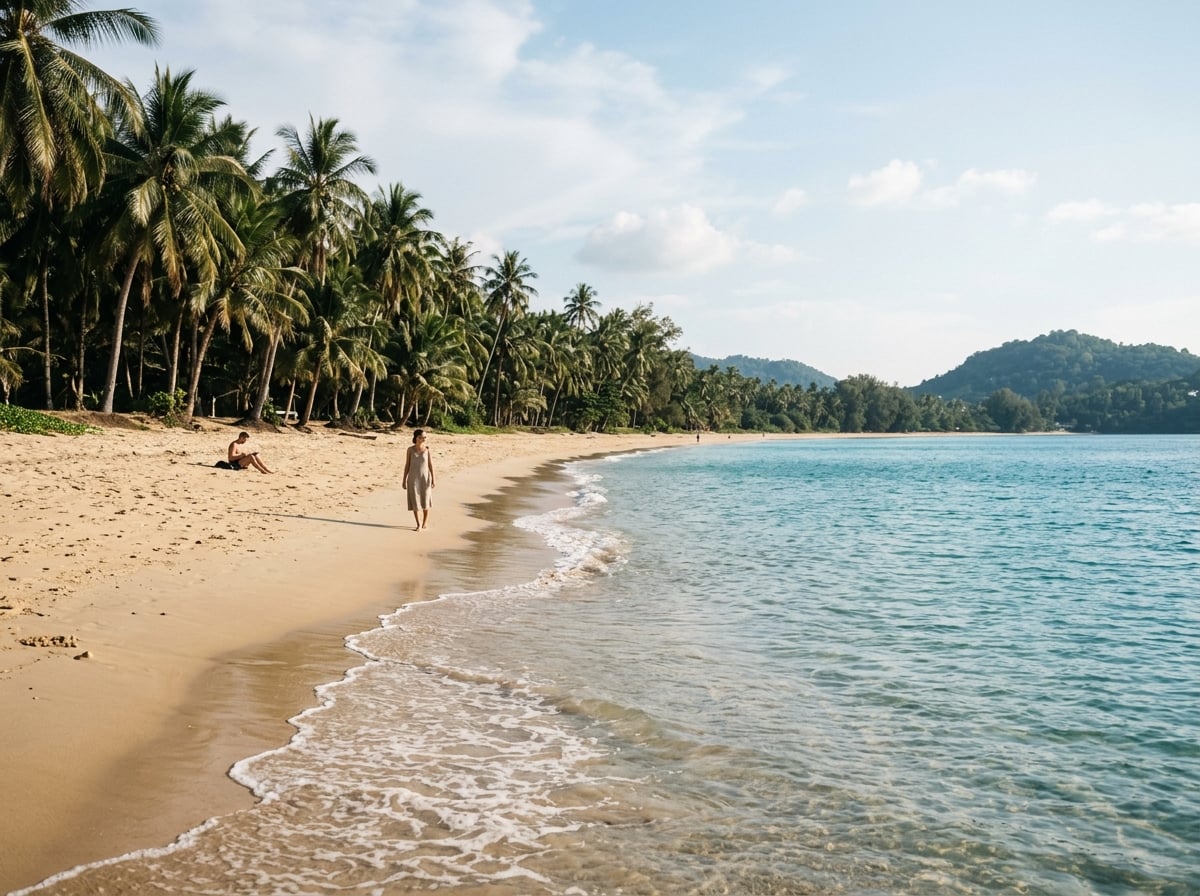
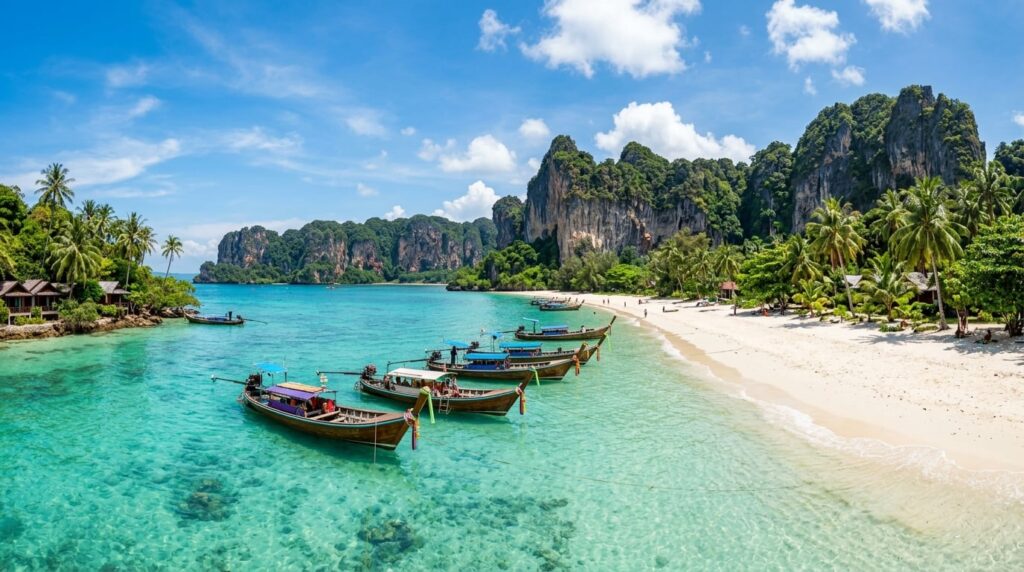
Beach-hopping is still the default Phuket activity, and for good reason — the island packs an absurd variety of coastline into roughly 48 kilometers of west coast alone. Patong remains the loudest and busiest, lined with jet ski operators, parasailing outfits, and beach clubs blasting music by mid-morning. If that’s not your speed, Karon and Kata to the south offer wider stretches of sand with a noticeably calmer atmosphere, especially at the northern end of Karon near the headland.
For something quieter still, Kamala draws a more relaxed, family-oriented crowd, while Nai Harn near the island’s southern tip continues to rank among the best beaches in Southeast Asia for its turquoise water and low-key development. If you’re willing to hike or take a longtail boat, Freedom Beach delivers the kind of powder-soft sand and clear water that beach photos promise but rarely deliver.
One practical note: the dry season, roughly November through April, brings calm seas, minimal rain, and the best visibility for snorkeling. Visit during the May-to-October monsoon and the west coast beaches can get rough, sometimes with red-flag swimming warnings — Phuket’s east coast beaches like Rawai stay calmer during this period if you still want ocean time without the swell. Families weighing Phuket against other beach-and-culture destinations in the region often end up comparing it to somewhere like family-friendly resorts in Sri Lanka, which share a similar dry-season rhythm and calmer, less-crowded coastline.
2. Explore Phuket Old Town
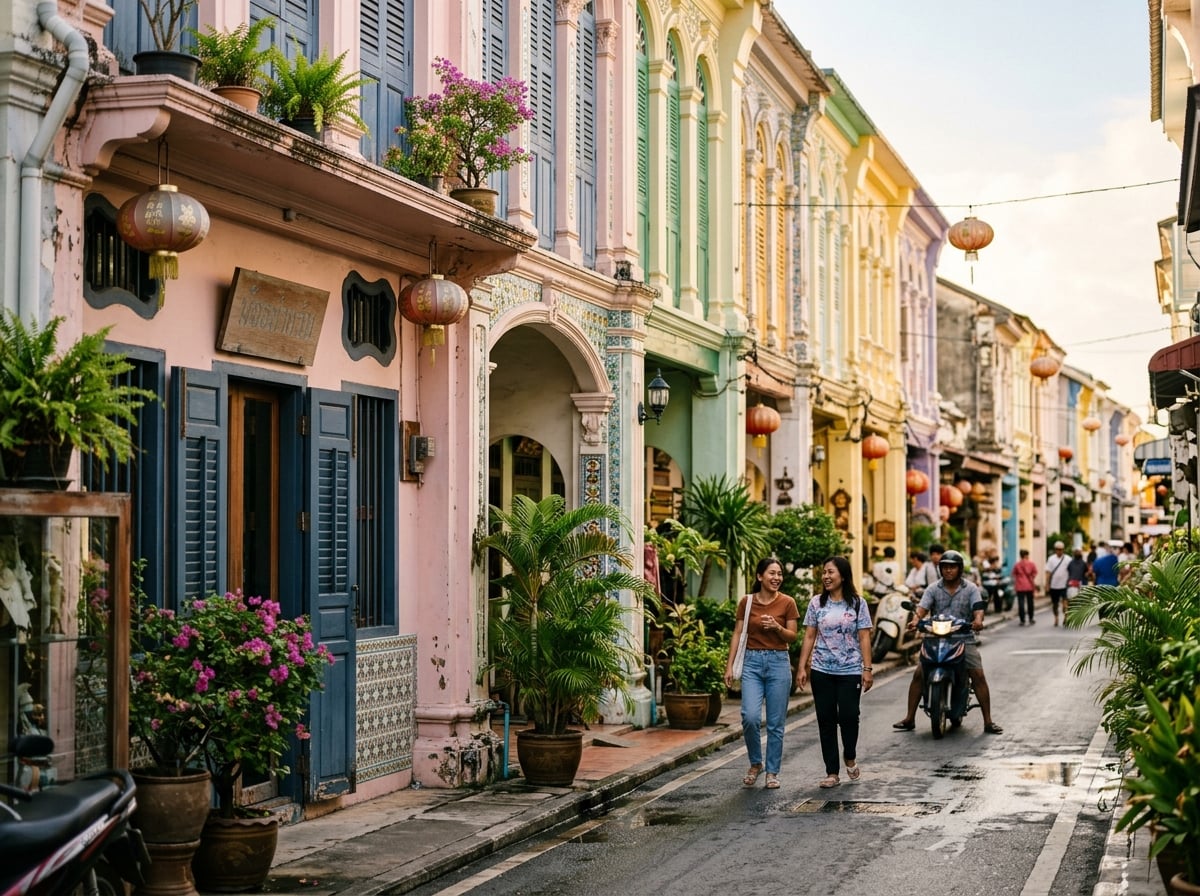
Phuket Old Town doesn’t get nearly enough credit compared to the beaches, which is a mistake. This is the island’s original commercial center from its 19th-century tin-mining boom, and the Sino-Portuguese shophouses lining Thalang Road and Soi Romanee are genuinely beautiful — pastel facades, ornate shutters, and colonnaded walkways that wouldn’t look out of place in Macau or Penang.
Spend a few hours wandering on foot. The Thai Hua Museum, housed in a restored 1930s mansion, does a solid job explaining the island’s mining history and the waves of Chinese, Portuguese, and Peranakan influence that shaped local culture and cuisine. Independent coffee shops and boutique galleries have continued moving into the old shophouses, so it’s easy to fill an afternoon just wandering and stopping wherever looks interesting.
Time your visit for a Sunday evening if you can. The Lard Yai Walking Street Market closes the district to traffic and fills it with food vendors, live music, and local artisans — it’s one of the better night markets in southern Thailand and far less touristy than some of the bigger beach-side alternatives.
3. Visit the Big Buddha
The 45-meter-tall Big Buddha sits atop Nakkerd Hill and has become one of the island’s defining landmarks, visible from boats far out in Chalong Bay. The marble-clad statue took over a decade to complete and is still technically a work in progress, though that hasn’t stopped it from becoming one of Phuket’s most-visited sites.
Entry is free, though donations toward ongoing construction are welcomed and genuinely appreciated. Dress modestly — shoulders and knees covered — and if you show up in shorts or a tank top, sarongs are available to borrow at the entrance. The viewpoint delivers a 360-degree panorama over Chalong Bay, Kata, and the interior hills, which honestly rivals any paid viewpoint on the island.
Go early morning, ideally before 9 a.m., or in the late afternoon closer to sunset. Midday brings both intense heat with almost no shade and tour buses arriving in waves.
4. Take a Day Trip to the Phi Phi Islands
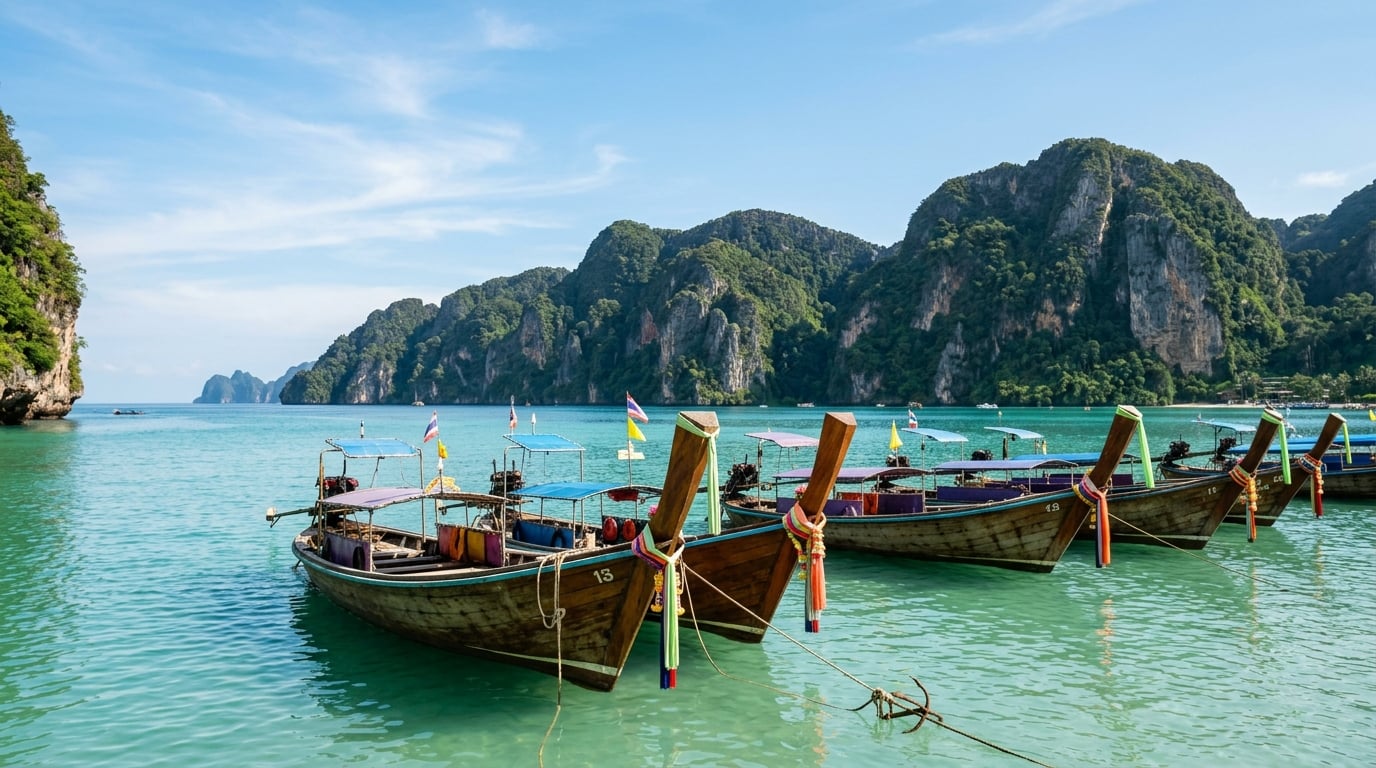
A trip to the Phi Phi Islands is close to mandatory, even though it means an early start and a couple of hours on a boat. Ferries and speedboats depart regularly from Rassada Pier, with the crossing taking around 90 minutes to two hours depending on the vessel and sea conditions.
The scenery justifies the crowds. Snorkeling in Loh Samah Bay puts you in clear water surrounded by dramatic limestone cliffs, and Maya Bay — made famous by the 2000 film The Beach — continues to operate under genuinely enforced conservation rules: visitor caps, timed entry slots, and a no-anchor policy that’s allowed the coral to keep recovering since the changes took effect. Boats now moor away from the bay and shuttle visitors in by smaller tender, which has cut down on the underwater damage that plagued the site for years.
My honest advice: skip the big-boat group tours if your budget allows it. A private longtail or small-group speedboat trip costs more, but you’ll reach quieter coves before the mass-tourism boats arrive around midday, and the difference in experience is significant.
5. Experience Patong Nightlife
Patong is still Phuket’s nightlife engine, and Bangla Road after dark is a sensory overload of neon signage, cover bands, go-go bars, and street food carts. It’s chaotic, loud, and not for everyone, but it’s an experience worth having at least once, even if you retreat to a quieter beach the rest of your trip.
For a mellower version of the same evening, several rooftop bars and beachfront lounges along Patong and neighboring Kalim have built a reputation for excellent sunset cocktails with far less chaos than street level. Prices have crept up over the past couple of years — expect to pay 350-550 THB for a cocktail at the nicer rooftop spots, still a bargain compared to equivalent bars in Bangkok or Singapore.
6. Catch a Show at Carnival Magic or Phuket FantaSea
For an evening that works for families and solo travelers alike, Phuket FantaSea remains the island’s long-running cultural theme park, combining acrobatics, elephant performances, and elaborate stage effects loosely built around Thai folklore. Its newer sibling attraction, Carnival Magic, has carved out its own following with a circus-style production and a genuinely impressive light and pyrotechnics show.
Both venues bundle in a buffet dinner with most ticket packages, and booking online in advance typically saves 15-20% compared to walk-up prices. Neither show is subtle — think spectacle over substance — but as a one-night diversion from beach time, they deliver.
7. Take a Thai Cooking Class
A hands-on Thai cooking class is, in my experience, one of the best-value activities on the island. Most reputable operators start the morning with a guided walk through a local wet market, pointing out ingredients you’ll actually use that day — lemongrass, galangal, bird’s eye chilies, fresh coconut milk — before heading to an open-air kitchen to cook.
Expect to learn four or five dishes over a half-day session: pad Thai, a green or massaman curry, tom yum soup, and often a dessert like mango sticky rice. Classes run from roughly 1,300 to 2,600 THB per person depending on group size and whether the market tour is included. It’s suitable for total beginners, and you’ll leave with recipes you can actually replicate at home — a nice souvenir that doesn’t take up suitcase space. If cooking with local produce like this appeals to you, the same market-to-kitchen approach shows up in food scenes across the region, including on nearby islands with their own strong culinary traditions.
8. Go Sea Canoeing in Phang Nga Bay
Phang Nga Bay, north of Phuket, is where the island’s limestone karst scenery reaches its most dramatic. A sea canoeing tour lets you paddle directly into hidden caves and collapsed sea caverns known locally as “hongs,” many of which are only accessible at certain tide levels.
The experience is quieter and slower-paced than most Phuket tours, which is part of the appeal — you’re gliding through narrow limestone passages into secret lagoons ringed by mangroves, often with a local guide doing the paddling while you take photos. Sunset departures are worth the slightly higher price; the low-angle light on the cliffs turns the whole bay gold and pink.
9. Meet Rescued Elephants Ethically
Elephant riding has largely fallen out of favor, and rightly so — the training methods behind it are harmful, and most responsible tour operators no longer offer it. Instead, visit an ethical elephant sanctuary such as Phuket Elephant Sanctuary or Green Elephant Sanctuary Park, both of which house elephants rescued from logging and tourism-riding operations.
At these sanctuaries you’ll feed, walk alongside, and sometimes help bathe elephants in a mud pool, all under the animals’ own terms rather than forced performance. Staff give genuinely informative talks about each elephant’s history and the broader welfare issues facing Thailand’s captive elephant population. Visitor slots are capped daily and half-day sessions run roughly 3,200-4,800 THB per person, so book at least a few days ahead, especially during peak season from December through February.
10. Take a Day Trip to James Bond Island
James Bond Island, known locally as Koh Tapu, earned its nickname from its cameo in The Man with the Golden Gun back in 1974, and it’s remained one of Phang Nga Bay’s most-photographed landmarks ever since. The narrow limestone spire rising out of the water is smaller in person than most photos suggest, but the surrounding scenery more than makes up for it.
Most day tours pair the island with a stop at Koh Panyi, a stilted fishing village built entirely over water, plus some cave kayaking through mangrove channels. It’s a full day, typically 8-10 hours including hotel pickup, and one of the better ways to see Phang Nga Bay’s geology up close if you don’t have time for a dedicated canoeing trip.
11. Shop at the Phuket Weekend Night Market
The Phuket Weekend Market, commonly called Naka Market, takes over a large lot near Phuket Town every Saturday and Sunday evening and remains the best spot on the island for bargain shopping. Clothing, handmade leather goods, secondhand vinyl, souvenirs, and an enormous spread of street food stalls fill the aisles — budget at least two hours if you actually want to see the whole market.
Food-wise, this is where I’d send anyone chasing an authentic, inexpensive meal: grilled skewers, fresh seafood, khao soi, and mango sticky rice sold for a fraction of restaurant prices. Bring small bills, since most vendors don’t take cards, and expect to haggle gently on non-food items — it’s expected and part of the fun.
12. Set Sail on a Sunset Cruise
Close out a Phuket trip with a sunset cruise along the island’s western coastline. Options range from a traditional Thai junk boat with a casual buffet to a private luxury catamaran with an open bar — pricing varies enormously, from around 1,600 THB for a shared group cruise to well over 11,000 THB for a private charter.
Whichever option you pick, the appeal is the same: calm evening water, a slower pace after days of sightseeing, and a genuinely spectacular sky as the sun drops behind the Andaman Sea. It’s a fitting, low-effort way to wrap up an island that rewards both its quiet corners and its louder ones in equal measure.
Planning Your Trip: A Few Practical Notes
Phuket suits almost any travel style, but a little planning goes a long way. If you’re building a longer Southeast Asia itinerary around this trip, it’s worth knowing that Java Island and other parts of Indonesia offer a similar mix of beaches, volcanoes, and cultural sites if you want to extend the trip beyond Thailand. Travelers who enjoyed the temple-and-jungle pace of Ubud might also want to look at what’s covered in our guide to must-try experiences in Ubud, since both islands reward slowing down between the boat trips and beach days.
For travelers who’d rather anchor themselves in Phuket Town or a quiet southern beach rather than the busy Patong strip, it helps to research neighborhoods before booking — the same logic that applies when choosing where to stay in Bangkok applies here: pick your base by what you want your mornings and evenings to feel like, not just proximity to the airport. A packing checklist matters too — our rundown of airline carry-on size restrictions is worth a quick read before you fly, especially if you’re island-hopping with just a day bag.
Final Thoughts
Phuket works because it refuses to be just one thing. You can spend a week doing nothing but beach-hopping and sunset drinks, or you can fill every day with boat trips, cooking classes, and cultural sites and barely scratch the surface. The island has matured a lot over the past few years — better conservation rules at Maya Bay, a genuine shift toward ethical elephant tourism, and a restored Old Town that finally gets the attention it deserves.
Use this list as a starting framework rather than a strict itinerary. Mix a couple of beach days with one or two boat excursions, save an evening for Patong if nightlife interests you, and leave room for at least one quiet afternoon wandering Phuket Old Town with no agenda. That balance, more than any single attraction, is what makes people fall for this island and keep coming back.