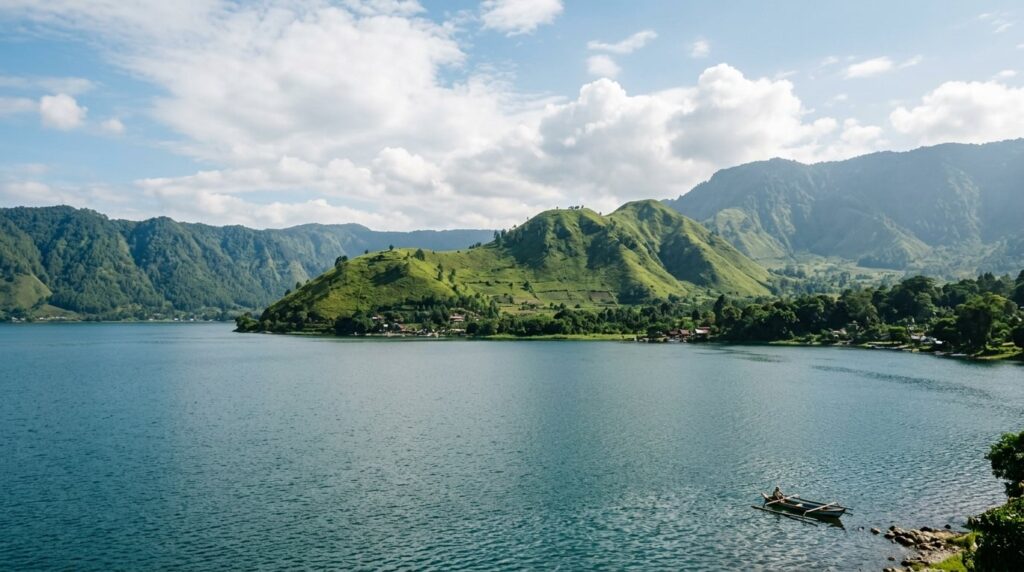
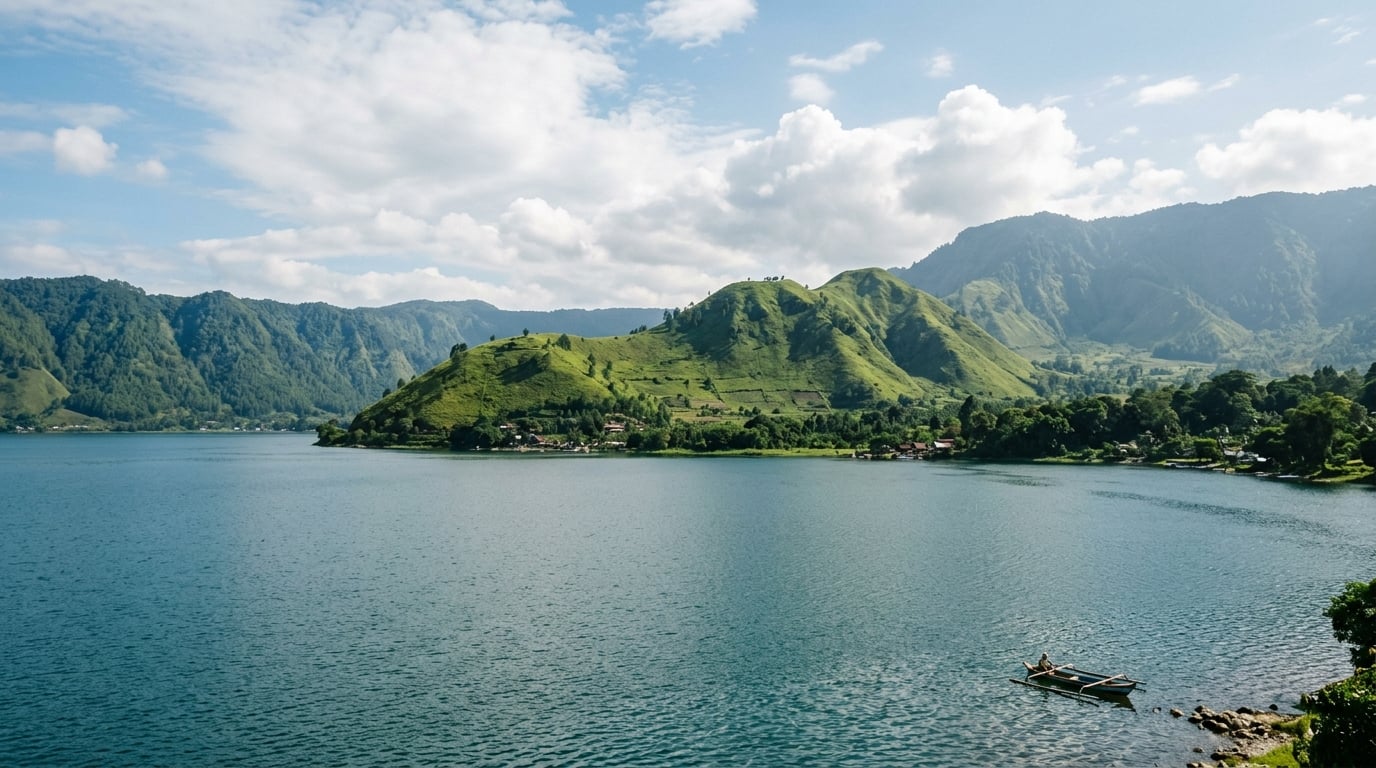
Lake Toba anchors any serious trip through North Sumatra, and it earns that status honestly. Born from a supervolcanic eruption roughly 74,000 years ago, this is the largest volcanic lake on Earth and one of the deepest lakes anywhere in the world. The geology is only half the draw. The Batak heartland surrounding the water, the unhurried rhythm of Samosir Island, the cool mountain air sitting at around 900 metres above sea level — all of it adds up to a destination that rewards travellers who show up a little prepared. If you’re planning a trip and searching for a proper Lake Toba travel guide, here are five things worth keeping in mind before visiting Lake Toba, along with the practical details that shorter round-ups tend to skip over.
1. Understand the Unique Geography
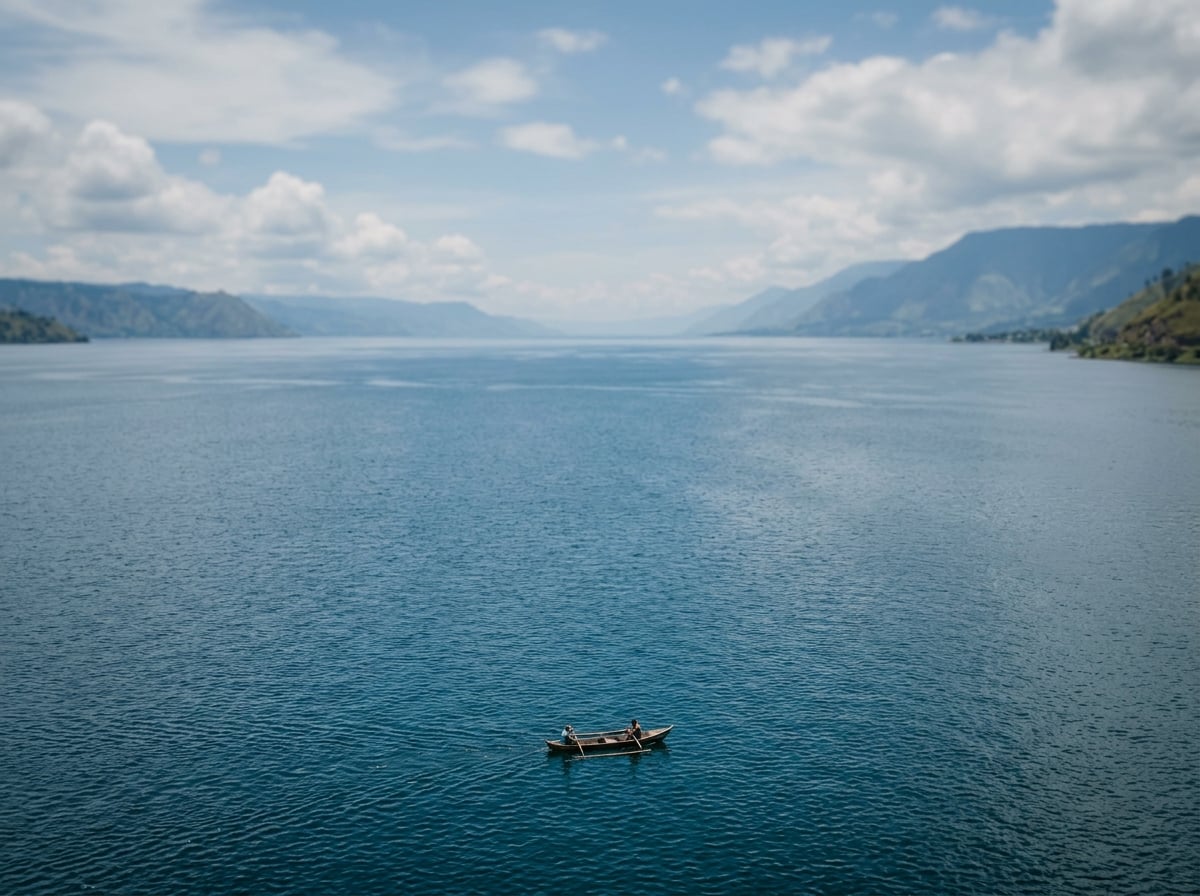
Lake Toba is enormous, and photographs genuinely undersell it. The lake stretches roughly 100 kilometres end to end and about 30 kilometres across, with depths plunging past 500 metres in places — deep enough that limnologists still classify it among the handful of true “mega-lakes” on the planet. Sitting almost dead centre is Samosir Island, itself nearly the size of Singapore, joined to the mainland by a narrow isthmus at Pangururan. Most visitors treat Samosir as the main event, and that’s the right call.
Getting there is simple enough. Passenger and car ferries run regularly between Parapat on the mainland and Tuk Tuk or Ambarita on Samosir, with crossings taking anywhere from 45 minutes to an hour depending on the boat and the weather. Following recent road upgrades around the lake, some travellers now drive the long way round instead, though the ferry remains the easiest and by far the more scenic option. Services have become noticeably more reliable over the past couple of years, as Indonesia’s tourism ministry continues promoting Lake Toba as one of its five “Super Priority” destinations alongside Borobudur and Labuan Bajo.
Once you’re on the island, rent a scooter or bicycle. A motorbike gives you the freedom to chase waterfalls, hot springs and hilltop viewpoints on your own schedule, without waiting on a driver or a tour bus. Be honest about your riding ability, though. Roads twist, narrow without warning, and occasionally crumble at the edges, and rain makes the surface slick fast. If you’re not confident on two wheels, hiring a local driver for the day costs very little and saves you the stress.
The altitude keeps temperatures pleasantly mild compared with the sticky lowlands around Medan, which comes as a relief after a few days in the city. Bring a light jacket for evenings. Expect sudden downpours during the wetter months from November through March, and pack for that reality instead of assuming every day will be postcard-blue.
2. Respect the Local Batak Culture
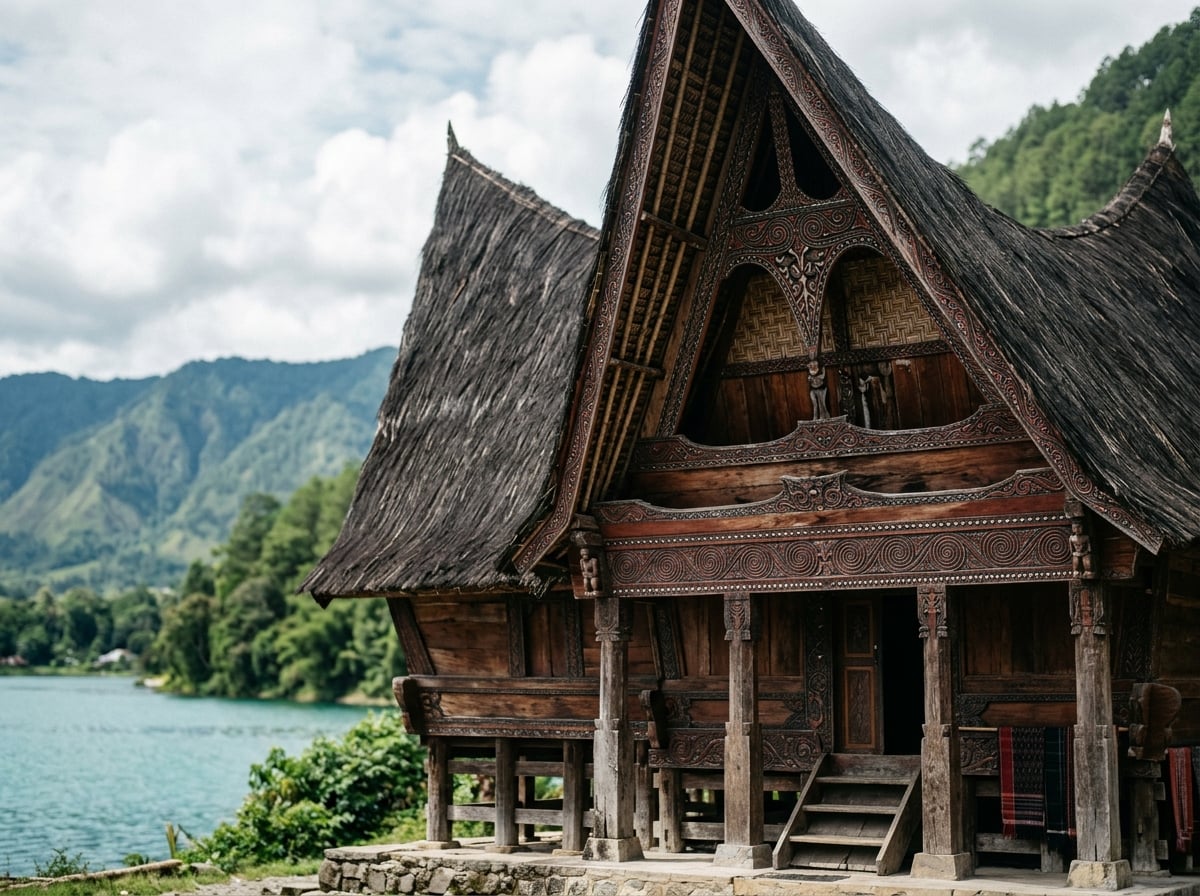
The Batak people are indigenous to this region, and their culture runs deep — in the boat-shaped houses with their soaring saddleback roofs, in the hand-woven ulos textiles, and in music and dance that remain part of everyday life rather than staged tourist theatre alone. Taking time to understand and respect these traditions genuinely improves the trip.
Villages like Tomok and Ambarita on Samosir are the obvious starting points. Tomok holds the ancient stone sarcophagi of Batak kings alongside rows of traditional houses. Ambarita is known for its stone chairs, where village elders once held council and, according to local history, judged and executed wrongdoers. The Tor-Tor dance performances staged for visitors are worth catching, and buying an ulos scarf directly from a weaver puts money straight into local hands rather than a middleman’s pocket.
A few simple courtesies go a long way. Dress modestly when entering villages and any sacred or ceremonial sites, ask before photographing people, and accept offered food or drink graciously even if it’s just a small gesture. The Batak are famously warm and direct, and a bit of respect is returned many times over. If you’ve spent time in Java before arriving in Sumatra, you’ll notice the cultural texture here is quite different — worth keeping in mind if you’re comparing notes with a broader Java Island travel guide from earlier in your trip.
3. Plan Your Activities Wisely
Lake Toba rewards a slower pace, but a loose plan still helps, especially once you start looking into the range of things to do in Lake Toba beyond the obvious lake views. Tuk Tuk, the small peninsula on Samosir, is where most guesthouses, cafes and swimming spots cluster, and it makes a comfortable, walkable base for a few days. The lake water is clean enough for swimming in most areas and genuinely refreshing, so build in time for a dip straight off a jetty at sunset.
Beyond swimming, the hot springs near Pangururan, the Sipiso-Piso waterfall on the northern shore, and the panoramic viewpoints above Tele are all worth the ride out. For a fuller rundown of what fills a few days on and around the lake, this guide to things to do in Lake Toba is a useful companion for building out a day-by-day itinerary. Give yourself at least two or three nights if you can manage it. Day-trippers who rush in from Medan and leave the same evening barely scratch the surface, and Lake Toba is very much a place that unfolds slowly rather than all at once.
Weekends and Indonesian public holidays bring domestic crowds and noticeably higher room rates, so if you value quiet, aim for a midweek visit instead. Booking accommodation ahead matters during peak season — this is worth checking against a current list of the top hotels in Lake Toba before you commit to dates. Outside peak weeks, you can usually turn up and find a room without much fuss.
Food is part of the experience too. Lakeside warungs serve up freshwater fish, arsik-style spiced tilapia and strong local coffee grown in the highlands nearby, and a proper meal often costs less than a coffee back home. If you want specific recommendations rather than guesswork, this rundown of where to eat around Lake Toba covers the spots locals and regular visitors actually rate.
4. Pack Smartly for the Trip
The cooler highland climate catches a lot of people off guard, since most images of Indonesia suggest constant tropical heat. Bring layers, a light waterproof jacket, and something warm for evenings when temperatures can dip into the high teens Celsius. Sunscreen and a hat matter too, because high-altitude sun is stronger than it feels, even on overcast days.
Cash is essential. ATMs exist in Parapat and the larger towns, but they’re scarce and occasionally out of order on Samosir itself, and plenty of small warungs and homestays don’t take cards at all. Carry enough Indonesian rupiah to cover several days rather than relying on finding a machine when you need one. Sturdy footwear, insect repellent, a reusable water bottle and a basic first-aid kit round out a sensible packing list. Mobile coverage is decent around the main tourist strips but patchy in remote corners of the island, so download offline maps before you head out for the day. For a broader checklist that applies well beyond this one trip, these general travel tips for your next trip are worth a quick read before you pack your bag, and if you’re flying in with carry-on only, it’s worth double-checking current airline carry-on luggage size restrictions before you leave home.
5. Be Environmentally Conscious
Lake Toba’s beauty is fragile, and that’s not an exaggeration. Water quality has come under real pressure in recent years from tourism runoff, agriculture and large-scale fish farming in floating net cages, which has visibly affected clarity in some bays. Local authorities have floated stricter limits on net-cage farming, though enforcement remains inconsistent. As a visitor you can’t fix that on your own, but you can avoid making it worse.
Refuse single-use plastics wherever possible, carry your rubbish out rather than trusting it’ll be dealt with, and never leave litter on beaches or trails. Choose guesthouses and tour operators that handle their waste responsibly, and put your money into local businesses rather than large chains so it actually benefits the communities who live here year-round. These are small choices individually, but multiplied across the hundreds of thousands of visitors the lake now attracts each year, they genuinely add up.
Best Time to Visit Lake Toba
The dry season, running roughly from May through September, is the best time to visit Lake Toba if you want the most predictable weather for swimming, riding a scooter around Samosir, and catching clear sunset views over the water. June through August also lines up with school holidays in Indonesia, so expect more domestic tourists and slightly busier guesthouses during that window. April and October sit in a comfortable middle ground — fewer crowds, still reasonably dry, and cooler evenings that make the highland air feel especially pleasant. November through March brings the wettest stretch, with short, heavy afternoon downpours that can turn unpaved roads muddy, though mornings are often clear enough for a hike or a boat trip if you plan around the rain rather than against it.
What to Know Before Visiting Lake Toba, Sumatra
Most travellers reach Lake Toba Indonesia by flying into Kualanamu International Airport near Medan, then taking a car or shared shuttle roughly four to five hours to Parapat, where the ferries to Samosir depart. A few airlines also run limited flights directly into Silangit Airport near Siborong-borong, cutting the overland leg down to about an hour, which is worth checking if your dates line up. Either route works, but book the Silangit flight early since seats sell out fast in peak months.
English is spoken in guesthouses and tourist-facing businesses on Samosir, though it thins out quickly once you head into smaller villages, so a handful of Indonesian phrases go a long way. Health-wise, tap water isn’t safe to drink anywhere in the region, bottled or filtered water is the standard, and a basic travel insurance policy that covers scooter accidents is worth the modest cost given how many visitors end up renting one. These are the kinds of practical tips for visiting Lake Toba Indonesia that rarely make it into glossy photo-led guides but matter once you’re actually on the ground. If Jakarta is part of your route in or out of Sumatra, it’s worth a look at what makes the capital worth a stopover — this piece on reasons to visit Jakarta covers the case for building in a day or two there before or after Toba. None of this is complicated, but knowing it before you land beats figuring it out on the ferry dock.
Final Thoughts on Visiting Lake Toba
Lake Toba is one of those rare destinations where the landscape and the culture are equally compelling, and neither one overshadows the other. Understand its geography, respect the Batak communities who call it home, plan for a relaxed few days rather than a flying visit, pack for a cool and occasionally wet highland climate, and tread lightly on the environment while you’re there. Do that, and you’ll come away with far more than a memory card full of photos. This is a place that stays with you long after you’ve caught the ferry back to Parapat.



1 thought on “Visiting Lake Toba: 5 Essential Tips for Sumatra (2026 Guide)”
Comments are closed.