
Ubud, Bali: The Complete 2025 Guide to What's Actually Worth Your Time
Ubud sits in Bali's lush central highlands, and it's still the island's best argument for slowing down. Seminyak and Canggu chase the beach-club crowd; Ubud draws people who want rice terraces at sunrise, temple bells at dusk, and a decent flat white somewhere in between. If you're researching things to do in Ubud for a 2025 or 2026 trip, this guide covers the five experiences that consistently deliver, along with the practical details a lot of competing guides skip entirely.
We hear versions of the same question constantly: what's genuinely a must-see in Ubud versus what's overrated, what's the one must-do if time is tight, what should a first-timer actually prioritize. There's no single right answer, but the five categories below — temples, nature, wildlife, wellness, and culture — form the backbone of almost every solid Ubud travel guide, and they're the same pillars locals and repeat visitors keep coming back to. Whether you found this page searching for ubud activities, ubud experiences, or just a general sense of what to do in Ubud Bali, these are the five worth building a trip around.
1. Explore Ubud's Iconic Temples and Spiritual Sites
Ubud is dense with temples, and each one has its own character. If your time is limited, these three are worth prioritizing over the rest.
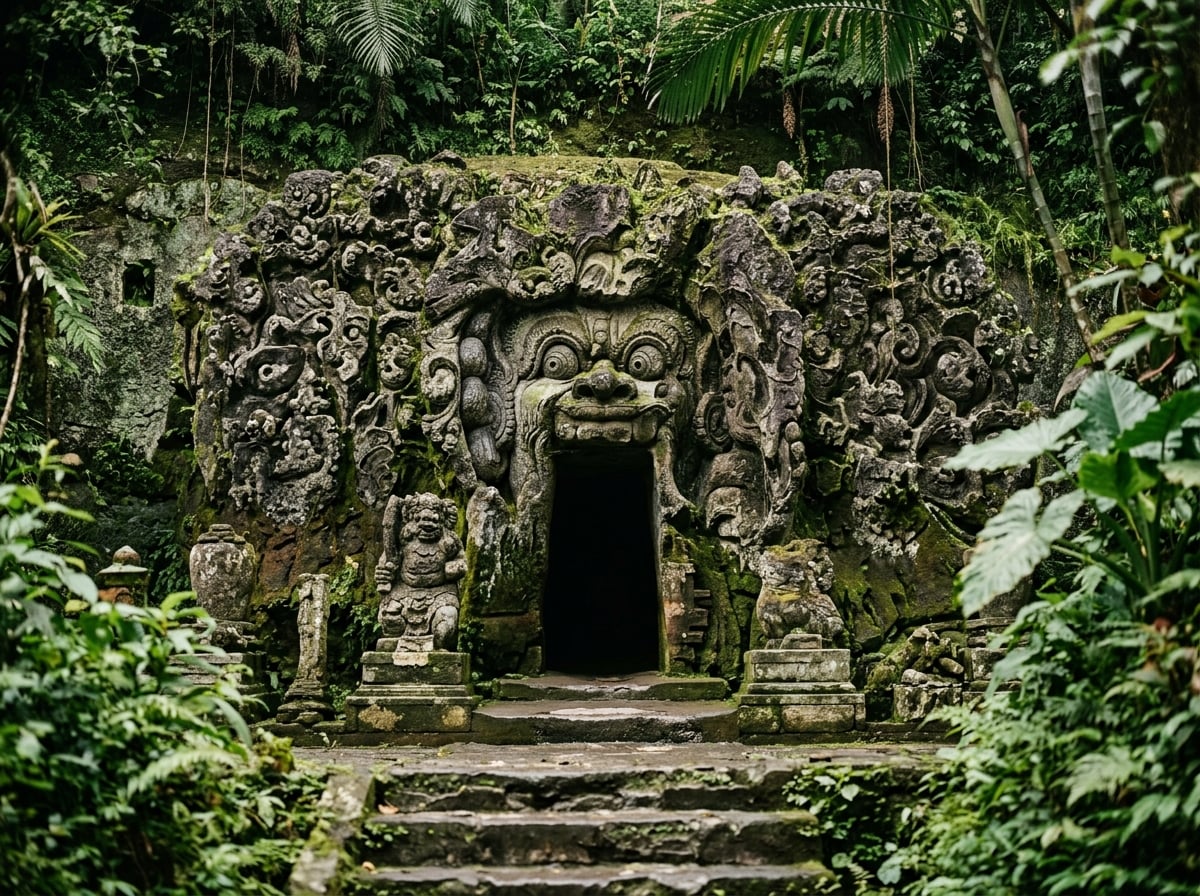
- Goa Gajah (Elephant Cave): Carved directly into a rock face and dating back to at least the 11th century, this complex mixes Hindu and Buddhist relics with holy bathing pools and a genuinely unsettling cave entrance carved to resemble a demon's face. It's roughly a 20-minute drive from central Ubud, and mornings are far quieter than the midday tour-bus rush.
- Tirta Empul Temple: This is where the melukat purification ritual takes place — rows of spouts feeding a sacred spring pool where locals and visitors wade in together for a cleansing. Arrive by 8am if you want the experience without fifty other people in the frame. Bring a change of clothes, because you will get wet.
- Saraswati Temple (Pura Taman Saraswati): Right in central Ubud and walkable from most hotels, this is the easiest of the three to fit into a short trip. The lotus pond out front is one of the most photographed spots in town, and free evening Kecak or Legong dance performances are often staged in the courtyard.
Tip: A sarong is required at nearly every temple in Bali. Most sites rent or lend one at the entrance, but packing a lightweight sarong saves time and is simply more respectful. Shoulders should be covered too, especially at Tirta Empul.
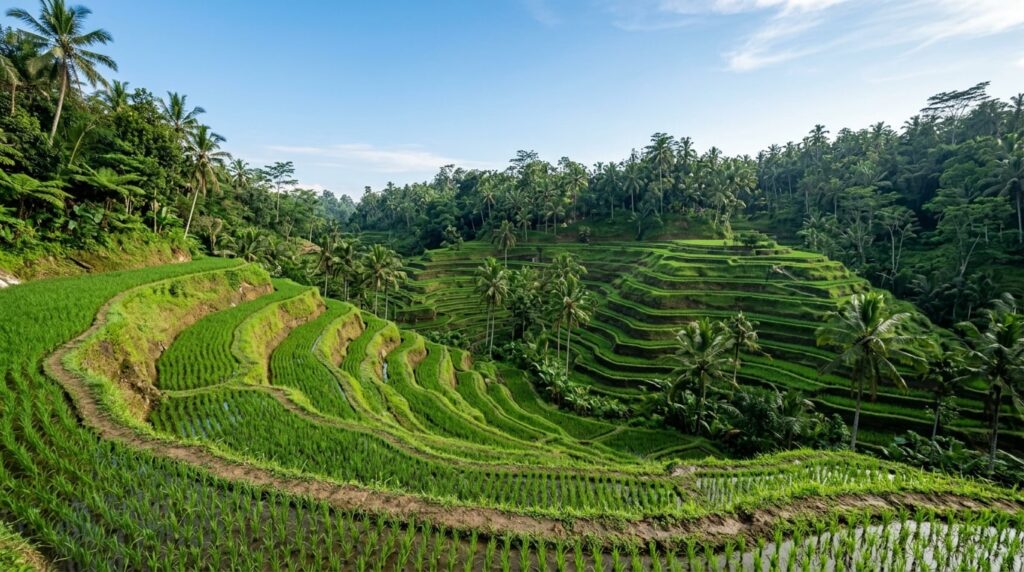
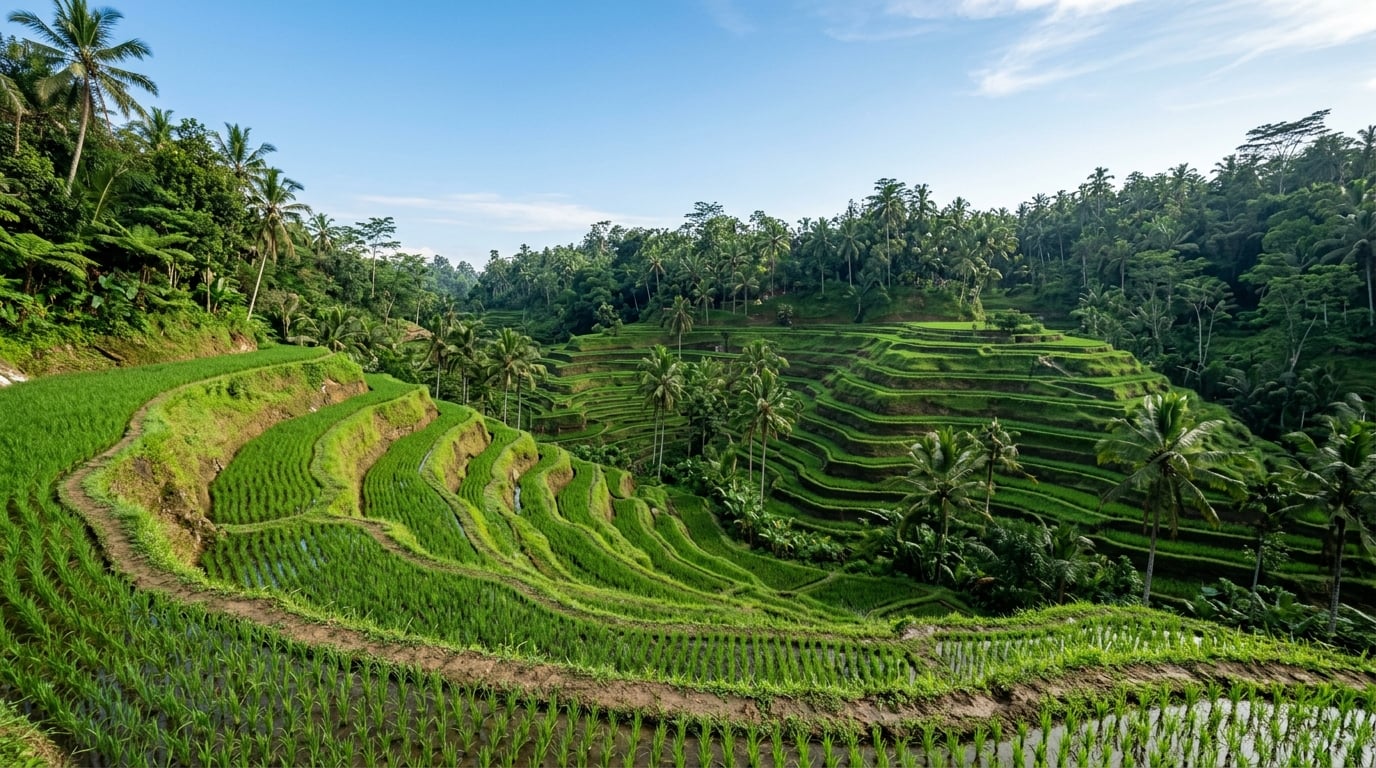
2. Walk Through the Tegalalang Rice Terraces
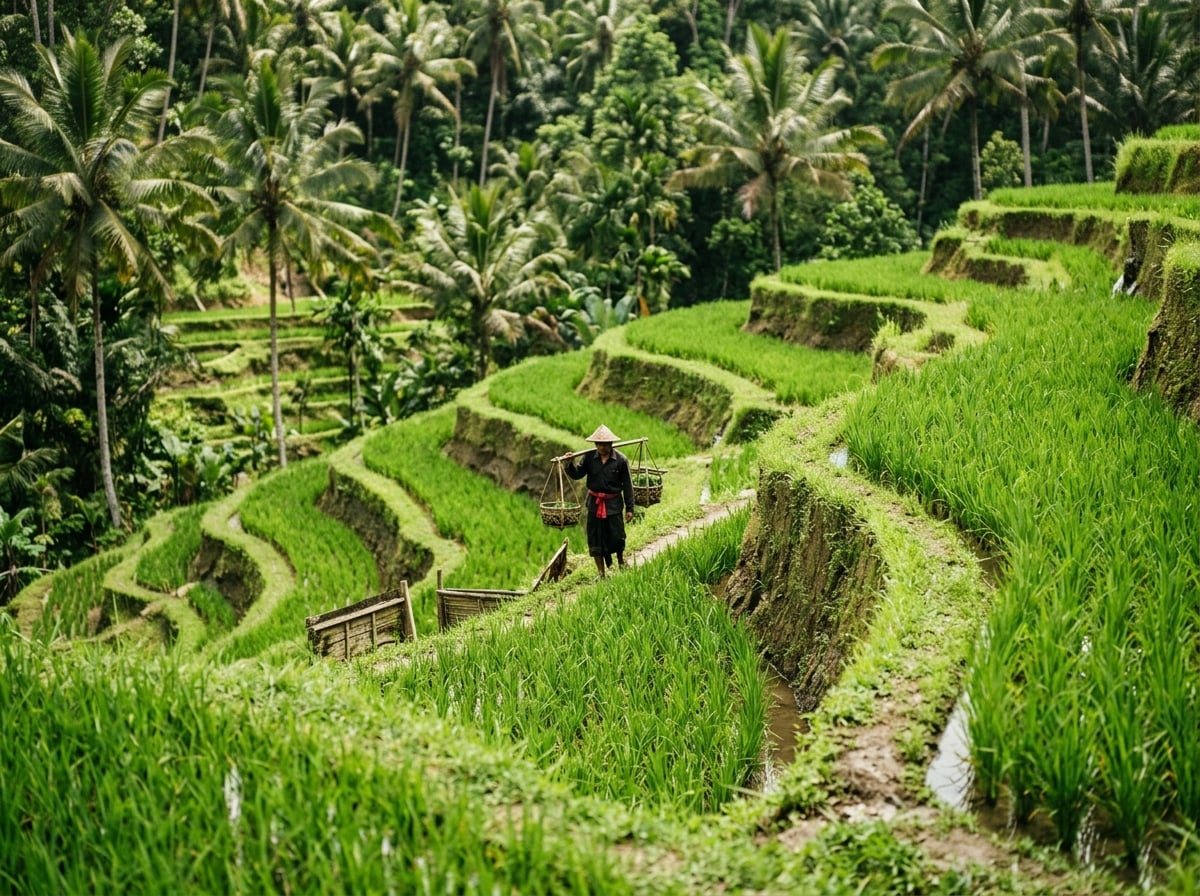
The Tegalalang terraces are the image most people already have in their head when they picture Ubud — tiered, impossibly green paddies stepping down the hillside. They're part of Bali's UNESCO-recognized cultural landscape, and they photograph just as well in person as they do in the drone shots flooding social media.
- Best light: Arrive before 8am. By mid-morning, tour buses fill the main viewpoints and the heat starts working against you on the walk down into the terraces themselves.
- The Subak system: These terraces exist because of Subak, Bali's centuries-old cooperative irrigation network, added to the UNESCO World Heritage list in 2012 as an expression of the Balinese philosophy of Tri Hita Karana — harmony between people, nature, and the spiritual world. A short conversation with a local farmer along the path usually tells you more than any plaque will.
- Swings and cafés: The Bali jungle swings here are touristy but genuinely fun, and the valley-view cafés serving Balinese coffee and young coconuts are a legitimate reason to linger, not just a photo-op tax.
Good to know: Expect small entrance donations of roughly IDR 25,000–50,000 at various points along the trail, with swings charged separately, usually IDR 100,000–200,000 depending on the platform and height. Prices have crept up slightly since 2023, so bring a little more cash than you think you'll need.
3. Visit the Sacred Monkey Forest Sanctuary
The Sacred Monkey Forest Sanctuary is one of the few places in Ubud where nature, wildlife, and religion coexist without feeling staged. Hundreds of long-tailed macaques live among ancient banyan trees and moss-covered shrines, and three centuries-old temples sit tucked inside the reserve.
- Wander the trails: Shaded pathways wind past dramatic stone carvings and quiet corners that feel worlds away from Ubud's main street, just outside the gates.
- Meet the macaques, carefully: They're accustomed to people and unbothered by cameras, but they'll grab sunglasses, water bottles, and snacks without a second thought. Skip the feeding, keep zippers closed, and avoid prolonged eye contact — to a macaque, that reads as a challenge.
- Support conservation: Entry fees, around IDR 100,000 for adults as of 2025, fund the sanctuary's conservation work and the surrounding village's community programs.
It's a short, flat walk from central Ubud, which makes it easy to pair with lunch or an afternoon browsing the art market.
4. Indulge in Wellness and Relaxation
Ubud's wellness reputation isn't marketing spin — this is one of the more serious wellness towns in Southeast Asia, and for a lot of visitors it's the entire reason for the trip.
- Spa treatments: Traditional Balinese massage, flower baths, and herbal boreh body scrubs are available everywhere, from five-star resort spas to modest local outfits charging a fraction of the price for a comparable treatment.
- Yoga and meditation: The Yoga Barn remains the best-known studio, running multiple daily classes from slow Hatha to sweaty Vinyasa, but smaller studios scattered through the rice fields offer a quieter alternative if crowds aren't your thing.
- Healthy dining: Ubud's plant-based and farm-to-table restaurants serve nourishing bowls, cold-pressed juices, and organic Balinese dishes that make it easy to eat well between activities.
If wellness is the main draw for your trip, it's worth comparing where to stay first. Our guide to the best resorts in Ubud, Bali covers properties with spa packages and daily yoga sessions built into the rate, and for travelers who want something more indulgent, our roundup of luxury hotels in Ubud is a useful next stop.
5. Enjoy Cultural and Artistic Experiences
As Bali's cultural capital, Ubud rewards visitors who set aside real time for its art scene instead of treating it as a stopover between temples.
- Ubud Art Market: Expect handmade crafts, textiles, woven bags, and souvenirs at every stall. Bargaining is standard practice — start at roughly half the asking price and settle somewhere in the middle.
- Museums and galleries: The Blanco Renaissance Museum, ARMA (Agung Rai Museum of Art), and Museum Puri Lukisan each hold different eras of Balinese painting and sculpture, and none of them take more than an hour to see properly.
- Traditional dance and workshops: A Legong performance or a Kecak fire dance is worth the ticket price, and hands-on workshops in batik, wood carving, silversmithing, or Balinese cooking give a far more textured sense of the culture than watching from the sidelines.
After a day of temples and museums, Ubud's dining scene deserves its own itinerary slot — our roundup of top restaurants to eat in Ubud covers the spots locals actually recommend, not just the ones with the best Instagram lighting. And if you want more context on why this town has such staying power beyond the five experiences here, our piece on why you should visit Ubud rounds out the bigger picture.
Where to Stay for Easy Access
Most of these five experiences cluster within a 20-minute drive of central Ubud, so where you base yourself matters more than it might seem. Travelers who want walkable access to the art market, cafés, and Saraswati Temple tend to prefer staying centrally, while those prioritizing rice-field views often base themselves slightly outside town. Our guides to accommodation in Ubud and hotels in Ubud break down both approaches by budget and neighborhood, which makes planning the logistics around this list considerably easier. If you'd rather skip the comparison shopping entirely, our pick for the best hotel in Ubud for 2026 narrows it down to one standout option.
Planning Your Visit: Practical Notes
A few details that make a real difference on the ground:
- How many days you need: Two full days cover the highlights above at a reasonable pace; three to four days lets you add day trips, a cooking class, and unhurried mornings at the rice terraces.
- Getting around: Ubud's attractions are spread out enough that a scooter or private driver is worth arranging. Ride-hailing apps have limited pickup zones in central Ubud due to local transport regulations, so many visitors hire a driver for the day instead — typically USD 30–45 for eight hours in 2025.
- Best time of year: The dry season, roughly April through October, offers the most reliable weather for the rice terraces and outdoor temple visits. The wet season brings dramatic afternoon downpours but noticeably thinner crowds, and hotel rates tend to dip as well.
- Dress code: Beyond temples, Ubud is casual, but sarongs, modest shoulders, and closed shoes for jungle walks are worth packing regardless of season.
- Money and connectivity: Cash is still king at smaller stalls and warungs, though most cafés and shops in central Ubud now take cards, and QRIS payment codes have become common even at small stands. A local SIM or eSIM makes navigating the backroads to Tegalalang or Goa Gajah far less stressful than relying on hotel Wi-Fi maps.
A Sample Two-Day Ubud Itinerary
If you're short on time and want a structure rather than a checklist, this is roughly how experienced visitors sequence it. Day one: sunrise at Tegalalang, a mid-morning stop at Goa Gajah, lunch in central Ubud, then an afternoon at the Sacred Monkey Forest and a wander through the art market before an evening dance performance at Saraswati Temple. Day two: Tirta Empul early, back for a late-morning spa treatment or yoga class, then an afternoon museum visit or a hands-on cooking class to close out the trip. It's not the only way to do it, but it avoids the common mistake of trying to cram everything into one exhausting day.
For travelers extending their trip beyond Ubud, this pacing also leaves room to consider a wider Indonesia itinerary — Bali's neighbor to the west has its own draw for people chasing temples and volcanic scenery, and our guide to must-visit places on Java Island is worth a look if a second stop is on the table.
Frequently Asked Questions
What is the number one must-do in Ubud? If forced to pick one, most repeat visitors point to Tirta Empul or the Tegalalang terraces at sunrise — both deliver an immediate sense of why Ubud has the reputation it does.
What is there to see in Ubud that first-timers often miss? Beyond the headline attractions, smaller sites like Museum Puri Lukisan and the quieter yoga studios outside the town center rarely make top-ten lists but often end up being trip highlights precisely because they're uncrowded.
Is two days enough to see Ubud? Two days covers the essentials comfortably. Add a third day if you want a spa retreat morning or a day trip to Tirta Empul without rushing back for something else.
Is Ubud worth visiting in 2025? Yes. Despite steady tourism growth across Bali, Ubud's core attractions — its temples, rice terraces, and wellness culture — remain well-managed and, outside peak midday hours, far less congested than the southern beach towns.
What should first-time visitors prioritize? For a first trip, the Monkey Forest, Tegalalang terraces, and one temple visit form a solid, manageable day, leaving a second day for wellness or the art market. These three consistently rank among the top Ubud attractions for first time visitors, and they're the easiest to reach without a car.
What are the best things to do in Ubud in 2025 if I only have one full day? Cut the list down to Tegalalang at sunrise, one temple (Saraswati if you're staying central, Tirta Empul if you have a driver for the day), and the Monkey Forest in the late afternoon when the heat breaks. Save the museums and spa time for a return trip.
Ubud rewards travelers who resist the urge to rush. Pick two or three of these experiences per day rather than cramming all five into a single itinerary, and build in unstructured time — a slow breakfast overlooking rice fields, an unplanned wander through a side-street gallery. That pacing, more than any single attraction, is what makes people come back to Ubud again and again.
Beyond the headline attractions, remember that Ubud’s culinary scene is a destination in itself. Exploring the best food experiences in Ubud can be as enriching as any temple visit, offering a taste of local culture and global influences.