Best Restaurants in Ubud: 7 Must-Try Culinary Experiences (2026 Guide)
Ubud built its reputation on rice terraces, yoga retreats, and a slower pace of life, but anyone who has spent more than a couple of days here knows the food deserves equal billing. This is a town where a warung serving nasi campur for 30,000 rupiah sits a five-minute walk from a tasting menu that costs more than a night's hotel stay — and both are worth your time.
If you're searching for the best food in Ubud or trying to figure out the best places to eat in Ubud before you land, the honest answer is: everywhere, because the scene keeps getting more interesting. Chefs who once cooked in Jakarta or Singapore have opened small, ingredient-driven kitchens around town, while the old-guard warungs keep doing what they've always done — feeding people well, without fuss. This guide to the best restaurants in Ubud covers seven spots that, between them, show why Ubud restaurants Bali-wide get compared to nowhere else on the island. These must try restaurants in Ubud Bali span fine-dining tasting menus to no-frills warungs, and every one of them earned its spot through repeat visits, not hype.
For travelers hunting the kind of unique dining experiences Ubud Indonesia keeps delivering, from paddy-side pavilions to fermentation-forward tasting menus, this list is a solid starting map. It's also a good companion to planning where you'll actually sleep between meals, whether that's a boutique hotel in Ubud or something closer to the rice fields.
Locavore: A Celebration of Local Ingredients
Locavore has spent well over a decade putting Ubud on the international culinary map, and it still shows up on regional best-restaurant lists most years — a rare feat for a kitchen this far from a major city. The restaurant runs on a strict farm-to-table philosophy, sourcing from small growers across Bali and changing its menu seasonally rather than sticking to a fixed rotation.
Cuisine: Modern European technique applied to Indonesian and Balinese ingredients.
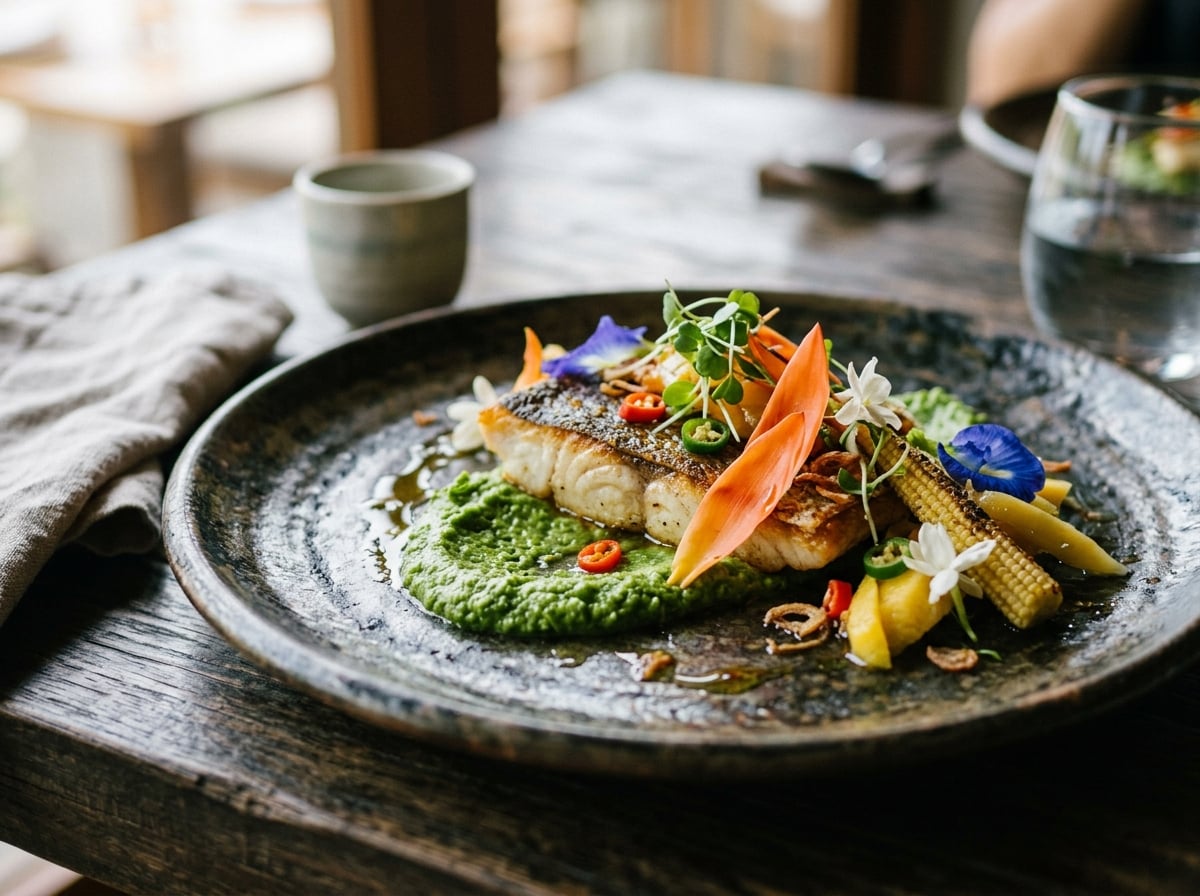
Signature dishes: The multi-course tasting menu changes constantly, but expect things like smoked river fish, fermented chili condiments made in-house, and desserts built around local cacao or tropical fruit rarely seen on a fine-dining plate.
Ambiance: A compact, sleek dining room with an open kitchen. Booking two to three weeks ahead is standard practice, longer during July, August, and the December holiday stretch.
Why it matters: Locavore's commitment to sourcing almost everything within Bali, down to the salt, has influenced a whole generation of chefs on the island. If you only splurge once in Ubud, this is a defensible place to do it.
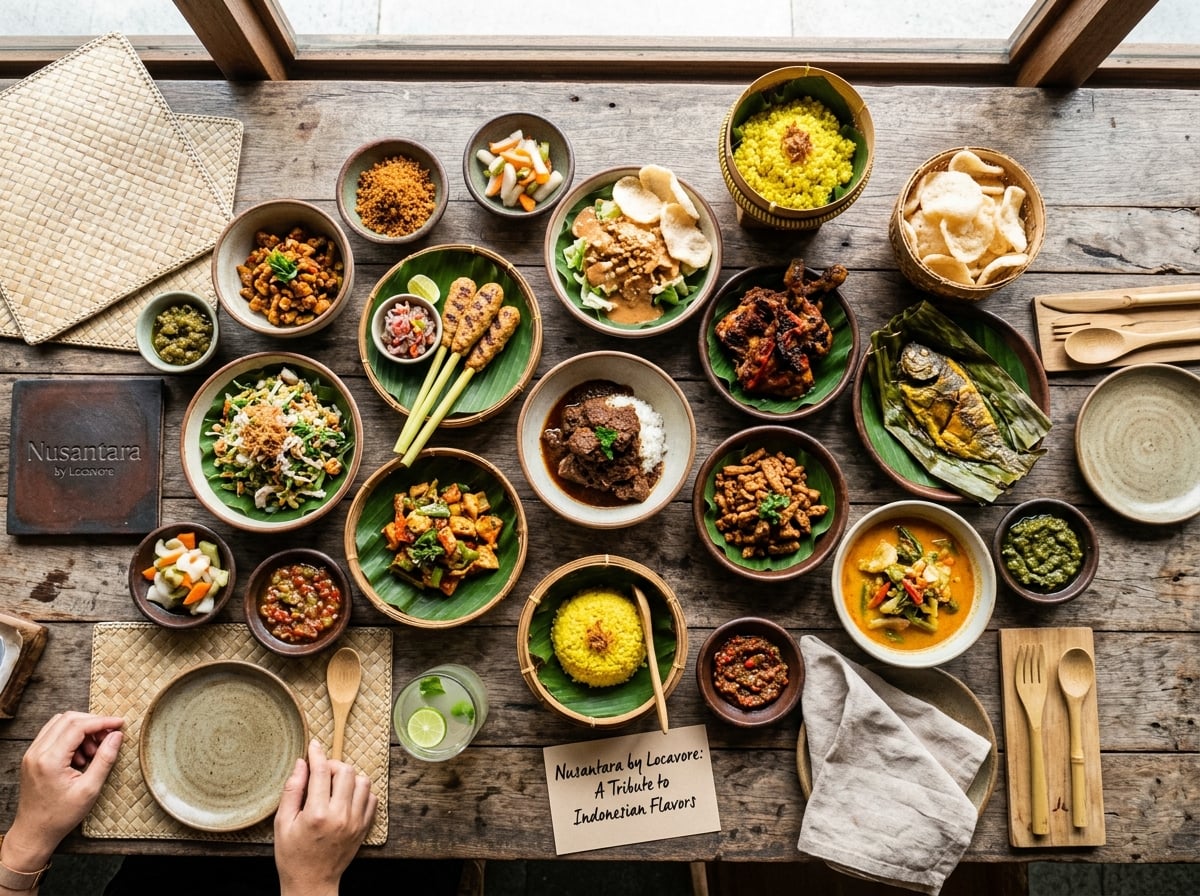
Nusantara by Locavore: A Tribute to Indonesian Flavors
Run by the same team, Nusantara takes its name from the Indonesian word for "archipelago" — a nod to the more than 17,000 islands that make up the country, each with its own culinary identity. Where Locavore leans European in technique, Nusantara stays close to home, reworking dishes from Sumatra, Sulawesi, Maluku, and beyond.
Cuisine: Traditional Indonesian recipes from multiple provinces, prepared with modern technique but recognizable flavor.
Signature dishes: Rendang sapi (beef slow-cooked in coconut milk and spice paste until almost black), and gohu ikan, a citrusy raw tuna salad from Ternate that most visitors have never encountered outside Maluku itself.
Atmosphere: A warm, textile-heavy dining room that leans into Indonesia's regional craft traditions rather than generic "Bali chic."
Why it's worth it: This is one of the few places in Bali — arguably in Indonesia — attempting to represent the country's full culinary range in one sitting. For anyone who assumes Indonesian food begins and ends with nasi goreng, Nusantara resets expectations fast. If Jakarta is next on your itinerary, it's worth comparing notes with the capital's own scene, covered in this guide to Jakarta's culinary paradise.
Mozaic: A Fusion of French and Balinese Cuisine
Mozaic has been a fixture of Ubud fine dining since the early 2000s, and it has aged well. Chef-owner Chris Salans trained in classical French kitchens before settling in Bali, and the menu still reflects that background — French technique built on a Balinese pantry.
Cuisine: French-rooted cooking built around Balinese produce, spices, and herbs that rarely make it into Western kitchens.
Signature dishes: The seasonal tasting menus rotate every few months; past standouts have paired local snapper with lemongrass beurre blanc, or used long pepper and andaliman (a Sumatran citrusy pepper) in dessert courses. The wine list is unusually deep for a town this size.
Ambiance: A restored colonial-style house set in tropical gardens, with candlelit tables that feel built for anniversaries and proposals rather than quick lunches.
Why it's unique: Few restaurants anywhere manage to make French fine dining feel genuinely tied to its location rather than imported wholesale. Mozaic pulls that off.
Warung Biah Biah: Authentic Balinese Home-Style Cooking
After a run of tasting menus, Warung Biah Biah delivers a reality check that's easy to love: unfussy food, generous portions, and prices that make a return visit an easy decision. If you're after the best local food to eat in Ubud without the formality, this is where locals send you.
Cuisine: Classic Balinese and Indonesian dishes, often served as small plates so you can order several and share.
Signature dishes: Babi guling (Balinese roast pork, usually served with rice, vegetables, and a spicy sambal) and lawar (a mix of minced meat or jackfruit, grated coconut, and herbs) are the two dishes regulars order without checking the menu.
Ambiance: Open-air, slightly worn around the edges, and busy most evenings with a mix of local office workers and travelers who found the place through word of mouth.
Why it's unique: A full meal here usually runs well under what you'd pay for a single course at Ubud's higher-end kitchens, and the flavor doesn't suffer for it. This is the kind of cooking families actually eat at home, not a version cleaned up for tourists.
Sari Organik: Dining Amidst the Rice Fields
Sari Organik trades polish for scenery, and it's a fair trade. The walk in — along a raised path through active rice paddies — is part of the draw, and the restaurant grows a meaningful share of its own produce on adjoining plots.
Cuisine: Organic, vegetarian-heavy menu blending Indonesian staples with international comfort food, think pasta and sandwiches sitting alongside gado-gado.
Signature dishes: Pumpkin curry and the fresh garden salad get ordered constantly, but the fruit juices and smoothie bowls, made with produce picked that morning, are worth trying too.
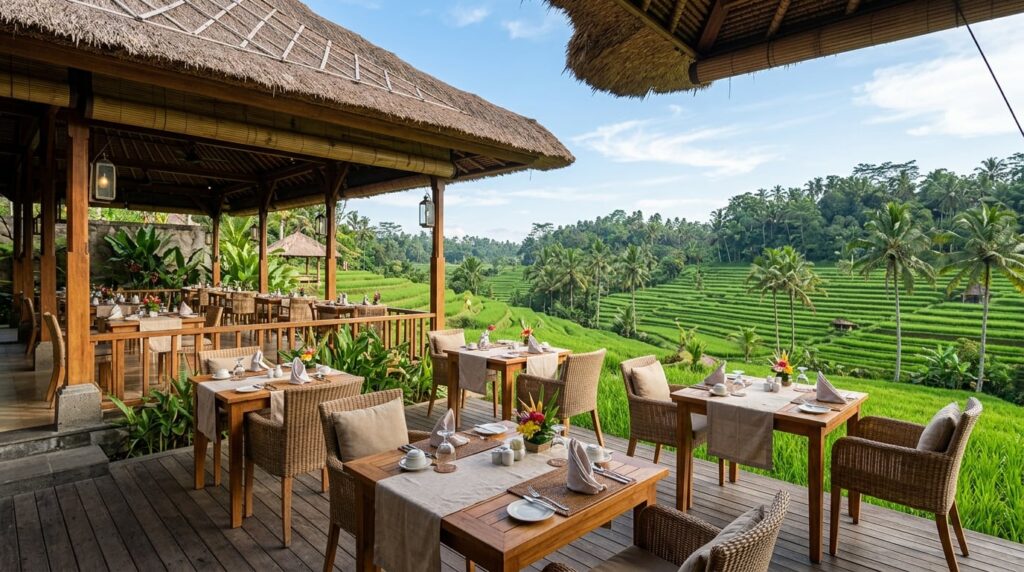
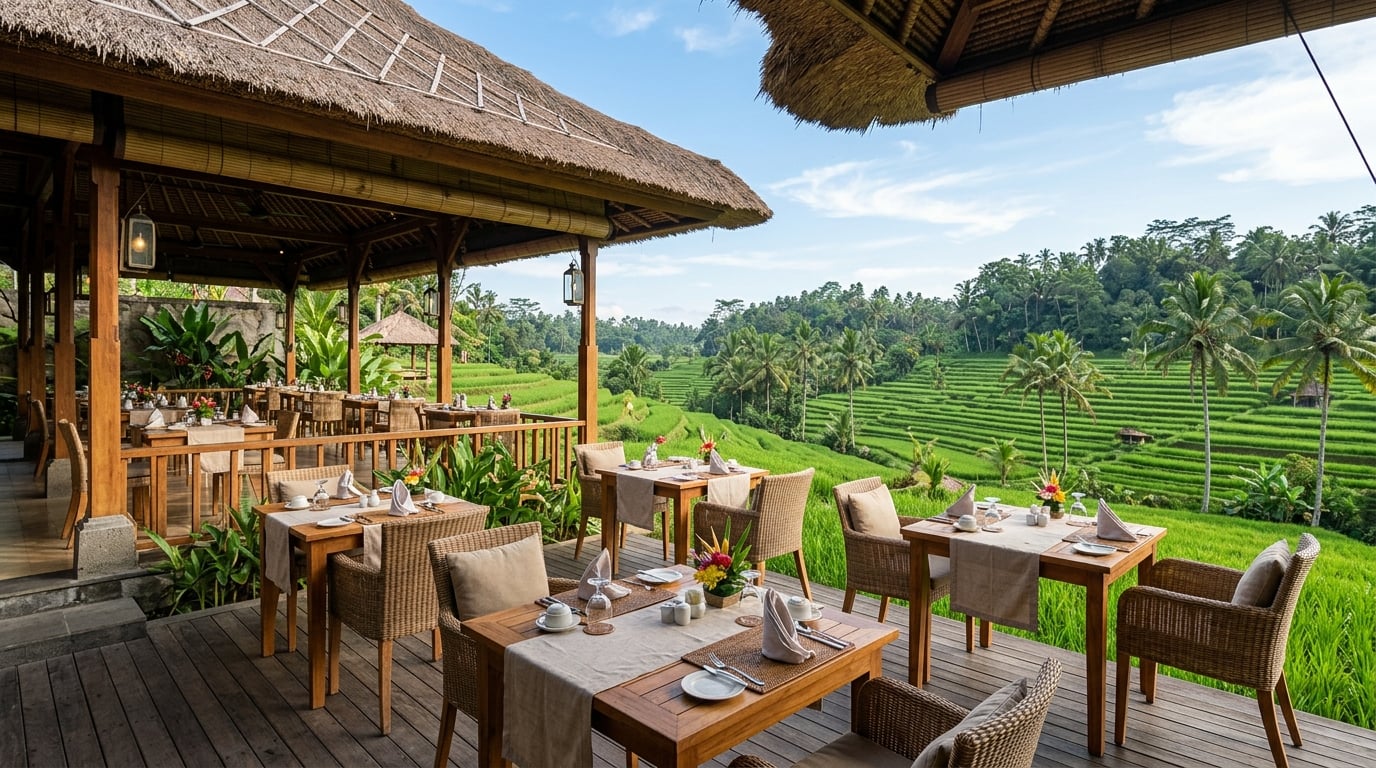
Atmosphere: Open-sided pavilions overlooking the paddies, best visited in the late afternoon when the light turns gold over the terraces.
Why it's unique: Few restaurants in Ubud commit this thoroughly to growing what they serve. It's also one of the more reliable vegetarian and vegan-friendly stops on this list, and a natural pairing if you're already spending the day on the kind of rice-paddy walks covered in our guide to things to do in Ubud.
Hujan Locale: Modern Indonesian With a Point of View
A newer addition worth flagging: Hujan Locale, tucked just off Jalan Sriwedari, has built a loyal following by reworking archipelago classics with a lighter, more contemporary hand. It doesn't carry Locavore's international profile, but the kitchen's confidence is obvious from the first dish, and it's become one of the more talked-about top food places Ubud has added in the last few years.
Cuisine: Modern Indonesian, drawing especially on Javanese and Sumatran flavors.
Signature dishes: The pork belly rica-rica and the beef rendang tacos — yes, tacos, and it works better than it should — show a kitchen willing to bend tradition without losing its flavor base.
Ambiance: An industrial-chic dining room, open kitchen, and a solid cocktail list — a good middle ground between warung casual and full tasting-menu formality.
Why it's worth a visit: If you want a taste of where Indonesian fine-casual dining is heading, this is a clearer signal than most of Ubud's more established rooms.
Cafe Pomegranate and the Rise of Ubud's Health-Food Scene
No rundown of the best places to eat in Ubud would be complete without acknowledging how central health-conscious cooking has become to the town's identity. Cafe Pomegranate, along with a cluster of similar spots near Jalan Hanoman, serves the smoothie bowls, cold-pressed juices, and raw-food plates that made Ubud a wellness-tourism magnet in the first place. The food here won't win awards for authenticity, but it's honest about what it is, and it's usually very good at it. On a warm afternoon after a temple visit or a long walk through the monkey forest area, this is exactly the register of food most people are craving anyway.
Practical Tips for Eating Well in Ubud
Reservations matter more than they used to, particularly since several of these kitchens have picked up international attention over the past two years. Locavore and Mozaic both fill up during peak season, roughly June through August, plus the two weeks around Christmas and New Year, so book at least a week out, ideally two or three for Locavore. Warungs, by contrast, rarely take reservations and rarely need them — just show up hungry.
Prices span an enormous range. A meal at a solid warung might run 40,000 to 90,000 rupiah per person, a modest increase from a couple of years back but still remarkably cheap by international standards. Mid-range spots like Hujan Locale land around 150,000 to 320,000 rupiah for a full meal with a drink. Tasting menus at Locavore or Mozaic start around 1,100,000 rupiah per person before wine, and climb well past that with pairings added on.
Tap water isn't safe to drink straight from the source anywhere in Ubud, including at nicer restaurants — stick to bottled or filtered water, which every restaurant on this list provides without being asked. If you have dietary restrictions, Ubud is unusually accommodating; vegetarian, vegan, and gluten-free requests are common enough that most menus mark them clearly.
Timing your meals around the rest of your day helps too. Lunch near the rice terraces, an early dinner reservation somewhere formal, and a late-night smoothie bowl or juice stop cover most of what a single day in Ubud calls for. Many of the restaurants above sit within a short walk or a cheap Grab ride of the town's better-known stays, so if you haven't locked down where you're sleeping yet, it's worth checking our roundups of Ubud's best resorts or, for something smaller and more personal, villas and guesthouses around Ubud before you book a dinner reservation across town. Travelers weighing a full splurge might also compare notes with our luxury hotel Ubud picks, since several sit close enough to Locavore and Mozaic to make a car unnecessary.
Frequently Asked Questions
What is the best local food to eat in Ubud? Babi guling and lawar are the two dishes most closely associated with Ubud and Bali generally. Nasi campur, a plate of rice with a rotating selection of small side dishes, is the best entry point if you want variety without committing to one heavy dish.
Where should first-time visitors eat in Ubud? Start with a warung meal to calibrate your palate, then work up to one tasting menu if your budget allows it. Warung Biah Biah and Sari Organik make good early stops; save Locavore or Mozaic for a night you want to treat as an occasion.
Are Ubud's best restaurants expensive? Not uniformly. The town runs the full spectrum, from 30,000-rupiah warung plates to seven-course tasting menus well over a million rupiah per person. That range is part of what makes Ubud's dining scene distinctive compared to more homogenized tourist strips elsewhere on the island.
Do I need to book ahead for the top restaurants in Ubud? For Locavore, Mozaic, and Nusantara, yes — especially for dinner and during peak season. Warungs and casual spots like Sari Organik generally don't require reservations.
What's the best dinner in Ubud for a special occasion? Mozaic remains the go-to for anniversaries and proposals thanks to its garden setting and candlelit tables, while Locavore suits anyone who wants the meal itself, rather than the scenery, to be the main event.
Final Word
Ubud's food scene has grown up without losing its roots, which is rarer than it sounds in a town this popular with tourists. The same street might have a warung that's been serving the same three dishes for twenty years standing near a kitchen experimenting with fermentation techniques borrowed from Copenhagen. Both are legitimate answers to where to eat in Ubud, and neither cancels the other out.
If you're planning a short trip, don't try to hit all seven of these in one visit — you'll spend more time driving between them than eating. Pick one fine-dining experience, one warung, and one place with a view, and you'll leave with a fair sense of what makes this town's food scene worth the detour from the beach.