Shopping Haven of Jakarta: 5 Reasons It's a Shopper's Paradise
Jakarta doesn't get enough credit as a retail destination. Mention Southeast Asian shopping trips and most travelers think of Bangkok's night markets or Singapore's Orchard Road first. That's a mistake. Indonesia's capital has quietly built one of the region's most complete shopping ecosystems — a genuine shopping haven where glass-and-marble malls sit a few kilometers from centuries-old textile bazaars, and where a single afternoon can take you from a Hermès boutique to a stall selling hand-drawn batik for less than the price of a decent coffee back home.
What makes Jakarta shopping distinct isn't just scale, though the scale is real — several of its malls rank among the largest in Southeast Asia. It's the range. You can spend a weekend here chasing designer flagship stores, then pivot entirely and haggle over silver jewelry in a market that's been operating since the Dutch colonial period. Few cities manage that contrast without one side feeling like a tourist trap. Jakarta pulls it off because both worlds are built for locals first, visitors second — which is exactly why they feel authentic.
Here's a current, practical look at why Jakarta earns its reputation as a shopper's paradise in 2025, updated with what's actually open, what's changed, and what's worth your time.
1. World-Class Luxury Malls
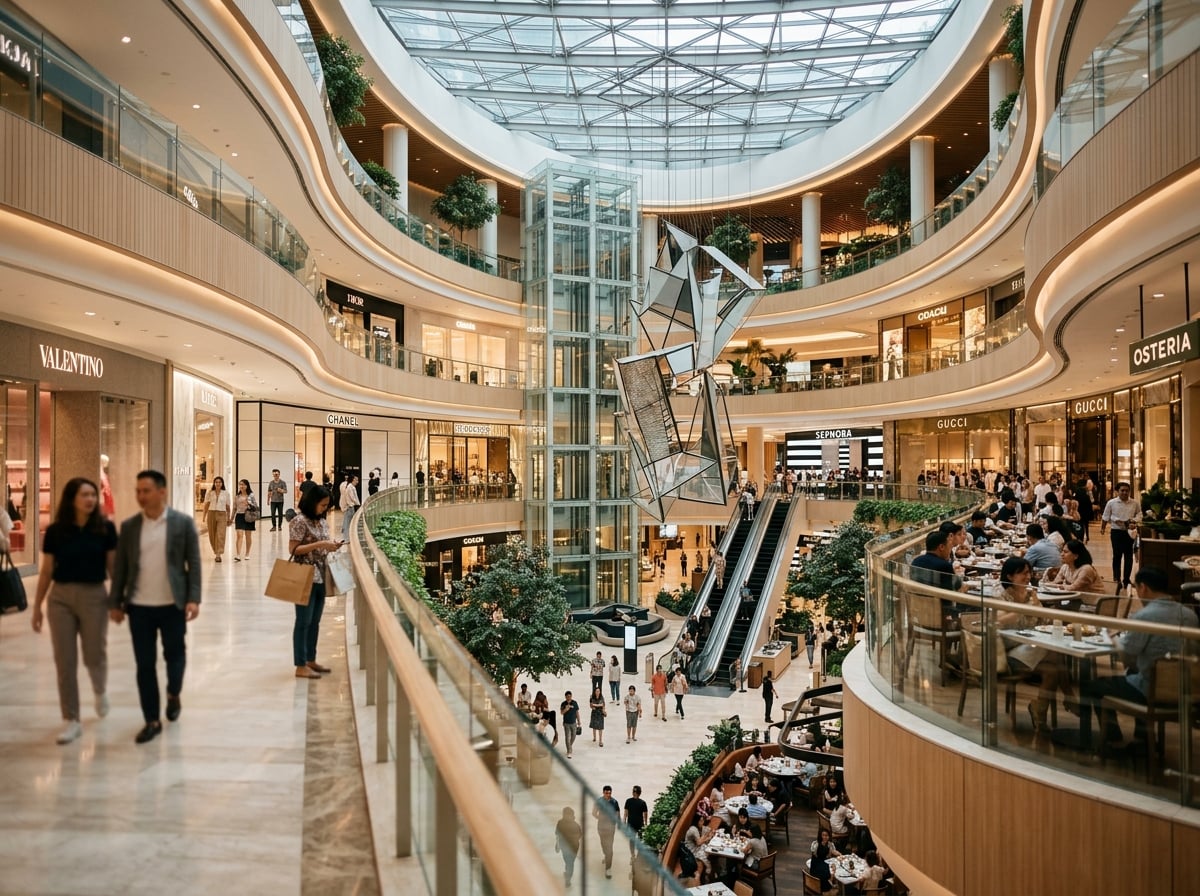
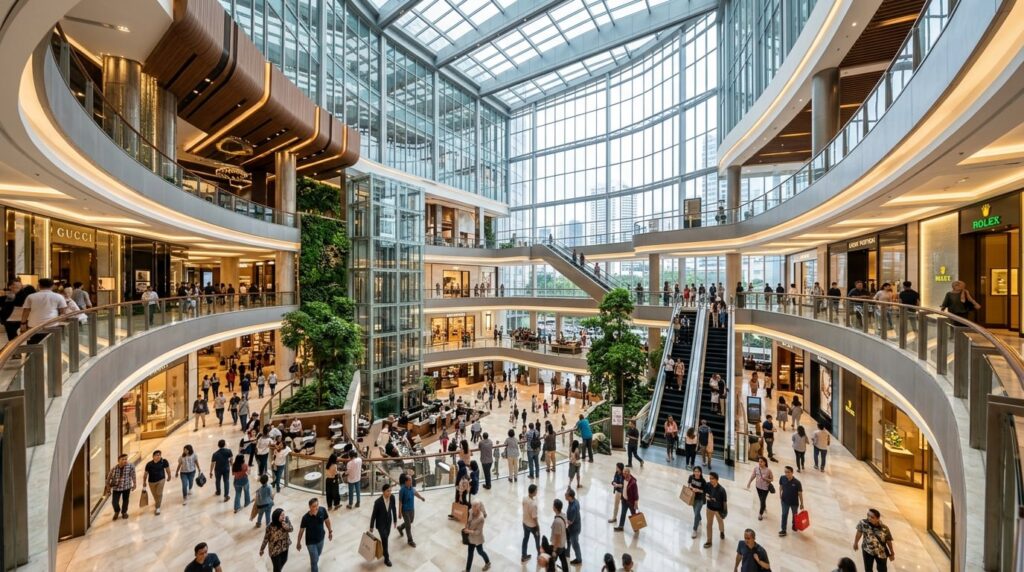
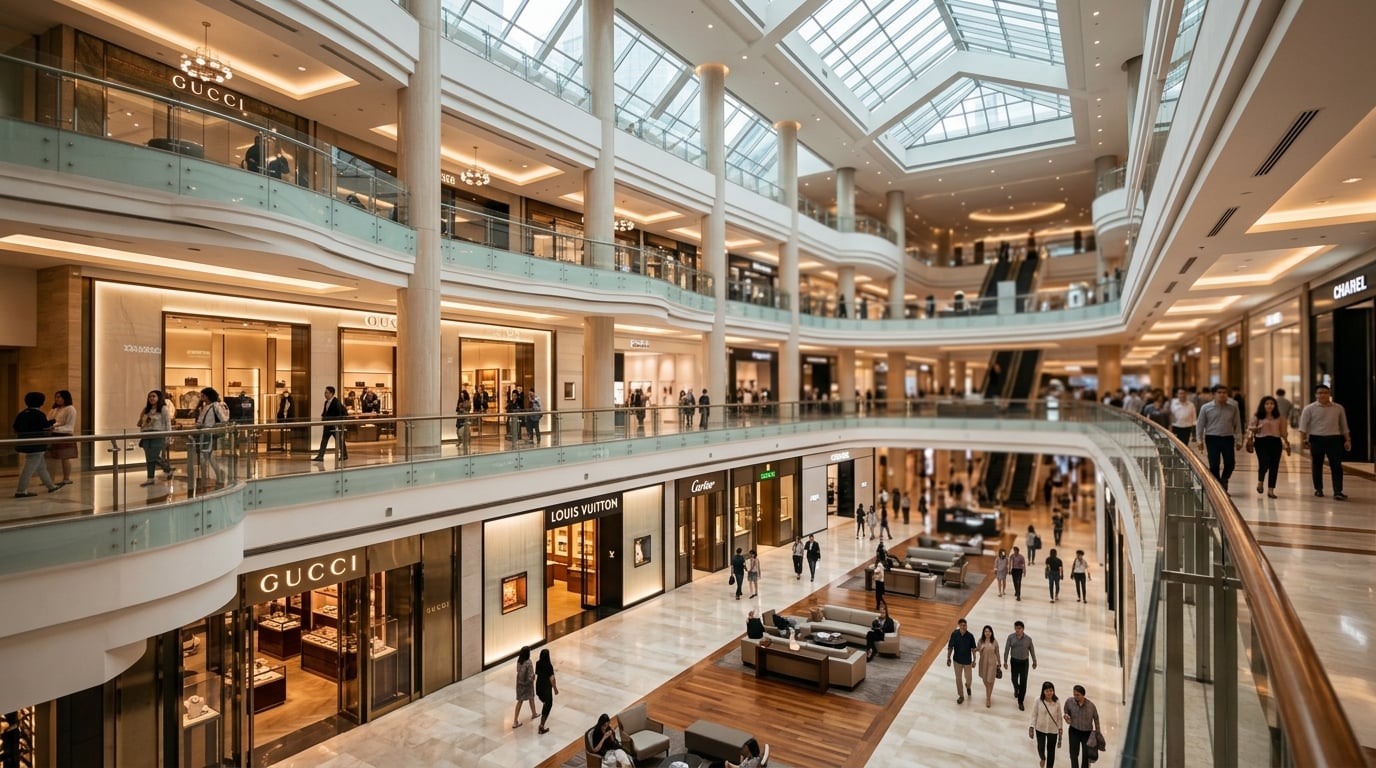
Jakarta's upper-tier malls have shifted from being simple retail boxes into full lifestyle complexes — shopping, dining, art installations, and entertainment stacked across multiple floors, often connected directly to five-star hotels.
Plaza Indonesia, in the heart of the Thamrin business corridor, remains the address for Jakarta's fashion-forward crowd. Louis Vuitton, Gucci, Dior, and Prada all maintain full-format stores here, alongside a strong lineup of fine dining that draws as many reservations as the shops draw shoppers.
Pacific Place, tucked into the Sudirman Central Business District (SCBD), leans even further upscale. Chanel, Cartier, and Hermès anchor the boutique floor, and the mall connects directly into the Ritz-Carlton Jakarta — so a shopping trip can turn into a full hotel stay without stepping outside. It's the closest thing Jakarta has to a members-only retail experience, minus the membership.
Grand Indonesia is the one to visit if you want sheer scale. At more than 640,000 square meters across its East and West Malls, it's genuinely one of the largest shopping complexes in Southeast Asia, mixing luxury flagships with accessible mid-range brands, a large-format cinema, and enough restaurants that deciding where to eat takes longer than deciding what to buy.
Senayan City and Plaza Senayan, sitting almost next to each other in the Senayan district, round out the high-end circuit. Both have leaned into curated fashion and beauty retail in recent renovations, and both stay busy with locals rather than feeling purely tourist-driven — a good sign that the shopping here is the real thing, not a staged version of it.
If you're planning a mall-focused day, group Plaza Indonesia and Grand Indonesia together — they're a short walk apart via connected skybridges near Bundaran HI — and save Pacific Place or the Senayan pair for a separate half-day given the distance and traffic between zones.
2. Authentic Traditional Markets
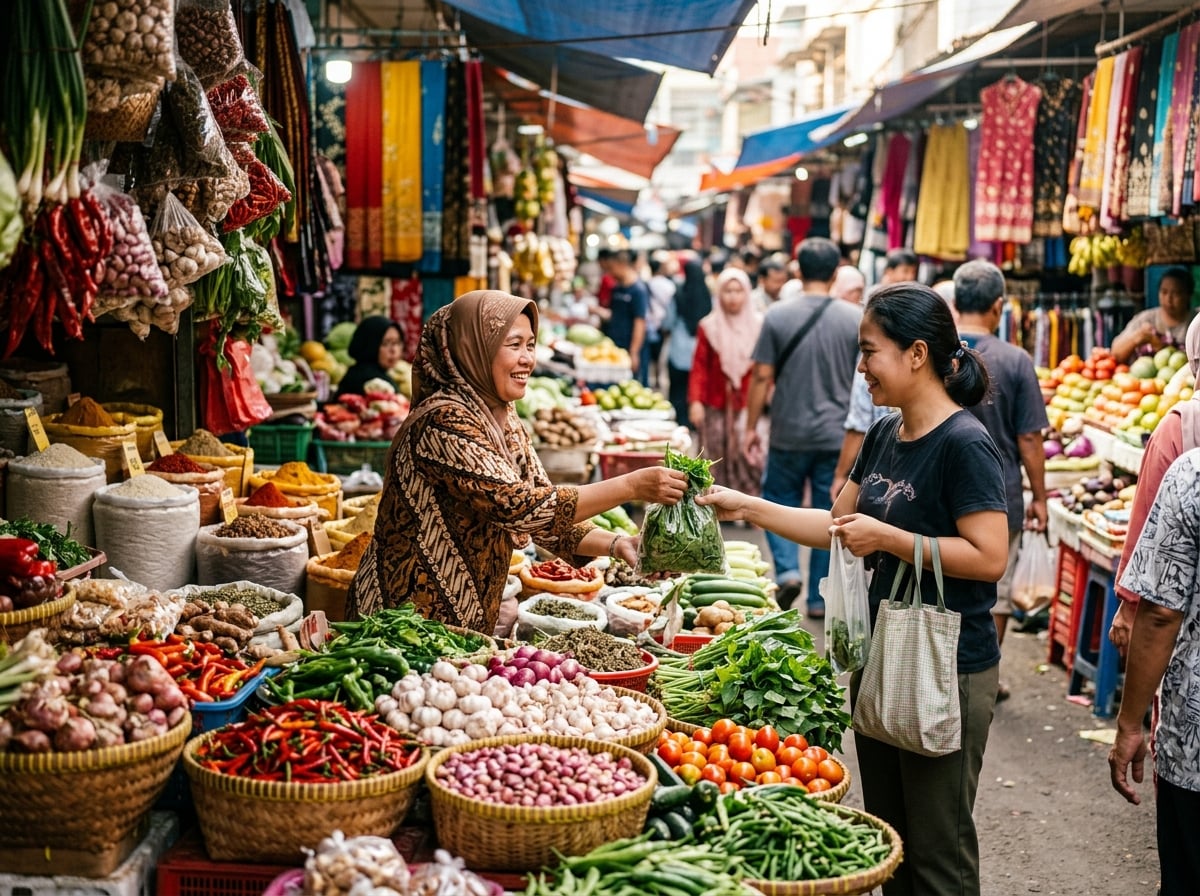
Step away from the air conditioning and Jakarta's traditional markets show you a different, arguably more interesting side of the city's commerce. Prices drop fast, negotiation is expected, and the goods on offer often beat anything you'll find in a mall for authenticity.
Tanah Abang Market is the big one — widely cited as the largest textile market in Southeast Asia. Multiple towering blocks are packed with batik, lace, and fabric of every weight and pattern imaginable. Local designers and wholesale buyers come here specifically because prices per meter undercut retail by a wide margin. If you're buying in bulk or need fabric cut to order, this is where tailors and vendors alike expect a bit of back-and-forth on price.
Pasar Baru, one of the oldest shopping districts in the city, still draws crowds for textiles, footwear, and sporting goods at prices well below mall equivalents. It's less overwhelming than Tanah Abang and easier for a first-time visitor to navigate in an hour or two.
Jatinegara Market is the spot for gold and jewelry shoppers, along with a solid range of traditional household goods. It's a working market rather than a tourist stop, which is part of its appeal — you're shopping alongside Jakartans doing their actual errands.
A quick tip that locals will confirm: haggling isn't rude here, it's expected. Start at roughly half the quoted price and work up with a smile. Bring small bills, since vendors rarely have change for large notes, and go early in the day if you want to avoid the heaviest crowds and midday heat.
3. Batik and Handicraft Shopping
Batik is Indonesia's signature textile art, recognized by UNESCO as an Intangible Cultural Heritage of Humanity, and Jakarta remains one of the best places in the country to buy it — whether you want an affordable printed piece or an investment-grade hand-drawn batik tulis that took weeks to complete.
Thamrin City functions as the city's unofficial batik hub. Thousands of patterns and price points are represented across its stalls, from mass-produced batik cap suitable for a casual gift to museum-quality batik tulis pieces that collectors seek out specifically.
Sarinah, Indonesia's oldest department store, reopened in 2022 after a multi-year renovation and has repositioned itself as a showcase for Indonesian craftsmanship rather than a generic retailer. Expect curated floors dedicated to batik, woven ikat textiles, and locally made fashion and homeware — it's now one of the most reliable single stops for a well-made, genuinely Indonesian souvenir, and prices are fixed, which takes the guesswork out of buying for visitors who'd rather skip the haggling.
Beyond textiles, Jakarta's handicraft scene extends to wood carving, woven rattan and bamboo pieces, silver jewelry from Kota Gede-trained artisans, and batik-adjacent accessories like scarves and bags. Look for shops and stalls that display a maker's name or workshop — it's usually a sign you're paying for craftsmanship rather than an imported knockoff.
4. Diverse Street Markets and Pop-Up Bazaars
Jakarta's street-level shopping scene has grown more interesting over the last few years, largely thanks to the momentum behind Indonesia's independent fashion movement — often referred to locally as "brand lokal."
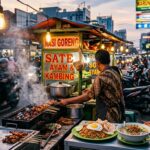
Blok M remains the youth-driven heart of this scene: affordable streetwear, dense underground shopping arcades, and some of the best cheap street food in the city, all packed into a compact, walkable district. It's a good contrast to the polished malls if you want a grittier, more energetic shopping afternoon.
Weekend bazaars have multiplied across Jakarta, popping up in malls, parks, and community spaces on rotating schedules. These events have become the go-to venue for discovering independent designers and small-batch brands before they scale into full retail stores — think of them as Jakarta's version of a pop-up fashion week, minus the runway.
Themed creative markets, including recurring sneaker and streetwear events, bring together resellers, local designers, and collectors throughout the year. These aren't tourist novelties; they're where a lot of Jakarta's fashion-conscious younger crowd actually shops, which makes them worth checking a local events calendar for before you travel.
5. Affordable Shopping for Every Budget
The real strength of Jakarta as a shopping destination is that it doesn't force you to pick a lane. Splurge at Plaza Indonesia in the morning, then spend the afternoon filling a bag with batik and snacks at a traditional market for a fraction of the cost — both experiences feel equally legitimate, and neither feels like a compromise.
Digital payments and e-commerce have made everyday shopping in Jakarta faster and more convenient than it was even a few years ago, with most malls and a growing number of market vendors now accepting QRIS mobile payments alongside cash. Still, nothing replaces the in-person experience of digging through a market stall or trying on batik in a shop where the owner explains the pattern's regional origin.
For many international visitors, exchange rates continue to stretch the value of a shopping trip considerably further than in comparable cities like Singapore or Hong Kong. A well-made batik shirt, a set of silver earrings, or a few meters of quality fabric will typically cost a fraction of what similar craftsmanship commands elsewhere in the region.
Final Thoughts
Jakarta's shopping scene works because it refuses to be just one thing. It's luxury malls with global flagship stores, yes, but it's also centuries-old markets, a thriving handicraft tradition, and a fast-moving local fashion culture that keeps reinventing itself through weekend bazaars and pop-ups. That combination is rare, and it's exactly what makes the shopping haven of Jakarta worth building an entire trip around — not just a side excursion between temple visits and food tours. Bring an extra suitcase. You'll need it.