
10 Best Pet-Friendly Hotels in Asia (2025 Guide)
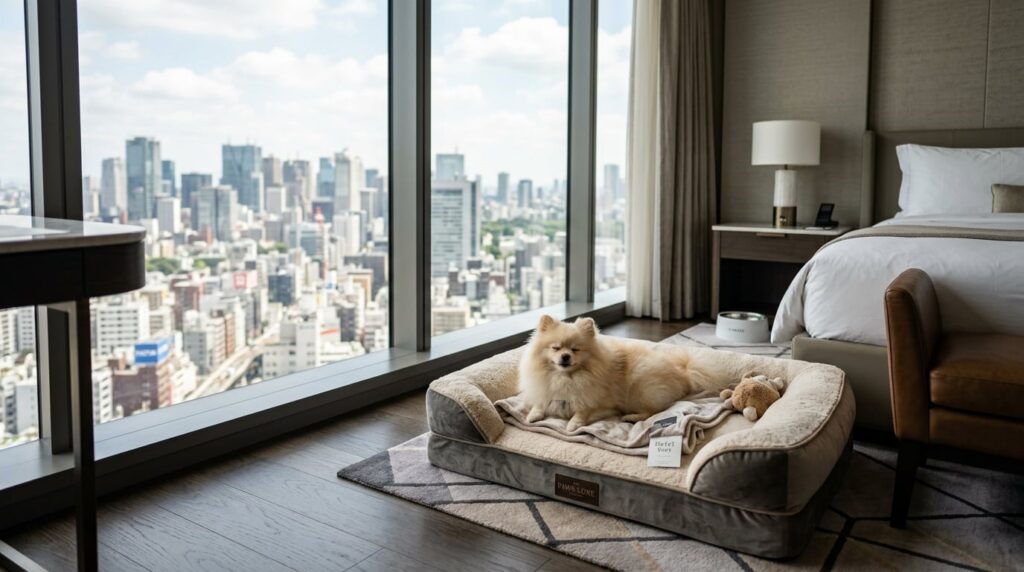
Traveling with a dog or cat across Asia looks nothing like it did five years ago. Pet ownership climbed sharply across the region through the pandemic and has stayed high ever since — industry surveys out of Japan, South Korea, and Thailand all point to continued double-digit growth in dog and cat ownership since 2020 — and hotels have had to catch up fast. Five-star chains and independent boutique properties alike are now competing for guests who simply won't board their animals just to take a holiday, and the pet-friendly hotels Asia 2025 landscape looks noticeably different than it did even two years ago.
The catch is that marketing rarely matches reality on the ground. Rules shift from country to country, and two hotels flying the same brand flag can run completely different pet policies. One property caps dogs at 8 kg; the next one under the identical brand name allows 20 kg without blinking. Before you hand over a deposit, get everything confirmed in writing.
Below are ten hotel brands worth trusting in 2025 if you're researching pet-friendly hotels in Asia, plus the practical groundwork that decides whether your trip goes smoothly or turns into a standoff at the front desk.
Why Pet-Friendly Travel in Asia Takes Extra Planning
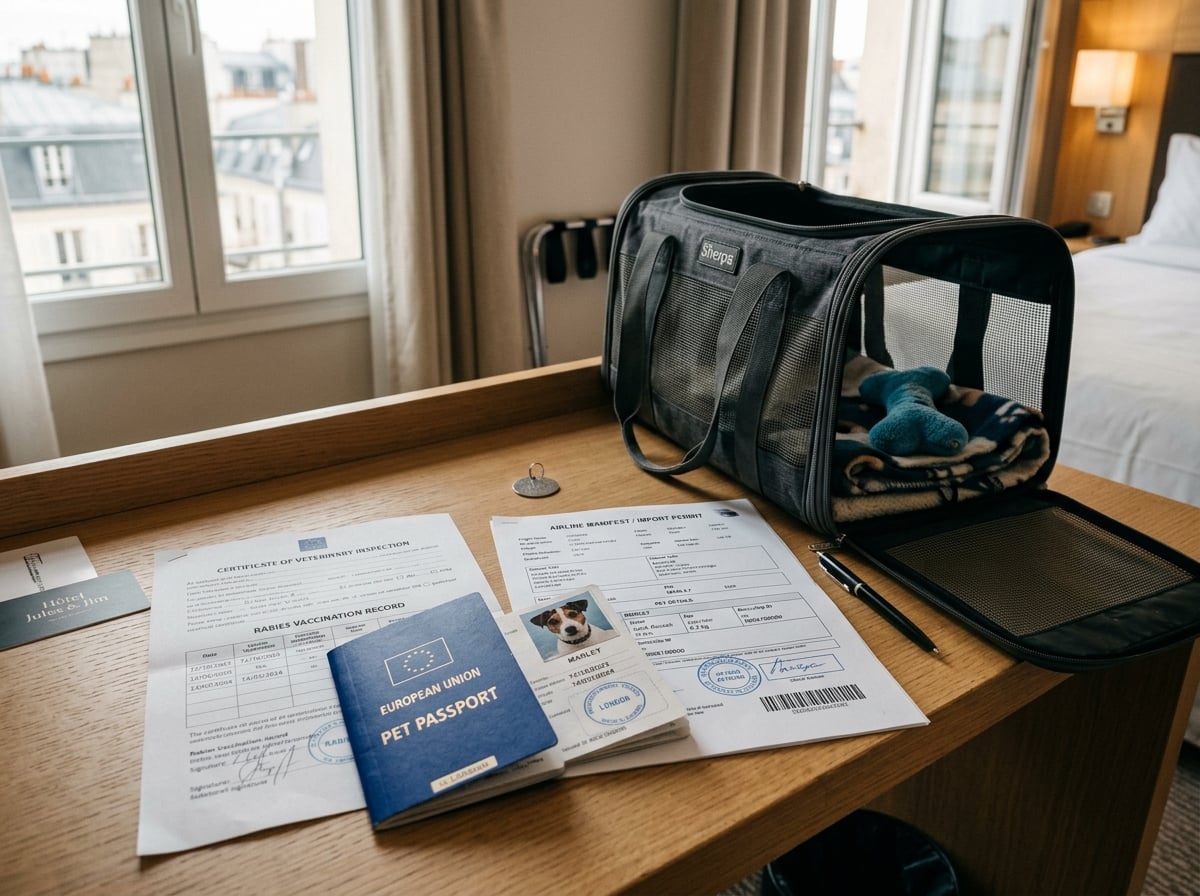
Most roundup articles skip the hard part. Booking the room is the easy half; getting your pet legally into the country is where trips actually fall apart. Japan still runs one of the strictest import regimes anywhere in the world — microchipping, two separate rabies vaccinations, a rabies antibody (FAVN) blood test at a government-approved lab, and then a mandatory 180-day waiting period counted from the date that blood sample was drawn. Miss one step in that sequence and your pet can sit in quarantine for up to six months after landing. This is exactly why any serious traveling with pets to Asia hotel guide needs to start with customs rules, not room amenities.
Singapore's Animal & Veterinary Service (AVS) issues import permits and, depending on where your pet is arriving from, may require you to book quarantine space at the Sembawang facility months in advance. Hong Kong uses a three-tier country classification: pets arriving from Group I and Group II regions — Australia, the UK, and most of Europe — can typically clear entry without quarantine if the paperwork and permit are correct, while animals coming from Group III countries face a compulsory holding period. South Korea and Taiwan run their own variations on the same theme, and none of these rules are static — they get revised, sometimes with little public notice, so it pays to check the relevant government agency's site within a month of departure rather than trusting older blog posts.
Once customs is sorted, the hotel's own policy is decided property by property, never by the brand as a whole. A 9 kg weight cap at one location becomes 15 kg somewhere else under the exact same name. Pet fees range from nothing at all to a few hundred US dollars per stay. One hotel allows two pets in a room; the branch down the street allows exactly one and turns away anything resembling a large breed. After years of booking these trips, the routine that actually works is unglamorous but effective: call the hotel directly, request the pet policy by email, and pin down every fee, deposit, and breed restriction before you commit to anything. A screenshot from a booking aggregator won't help you when a duty manager insists the rules changed last month.
1. The Peninsula Hotels
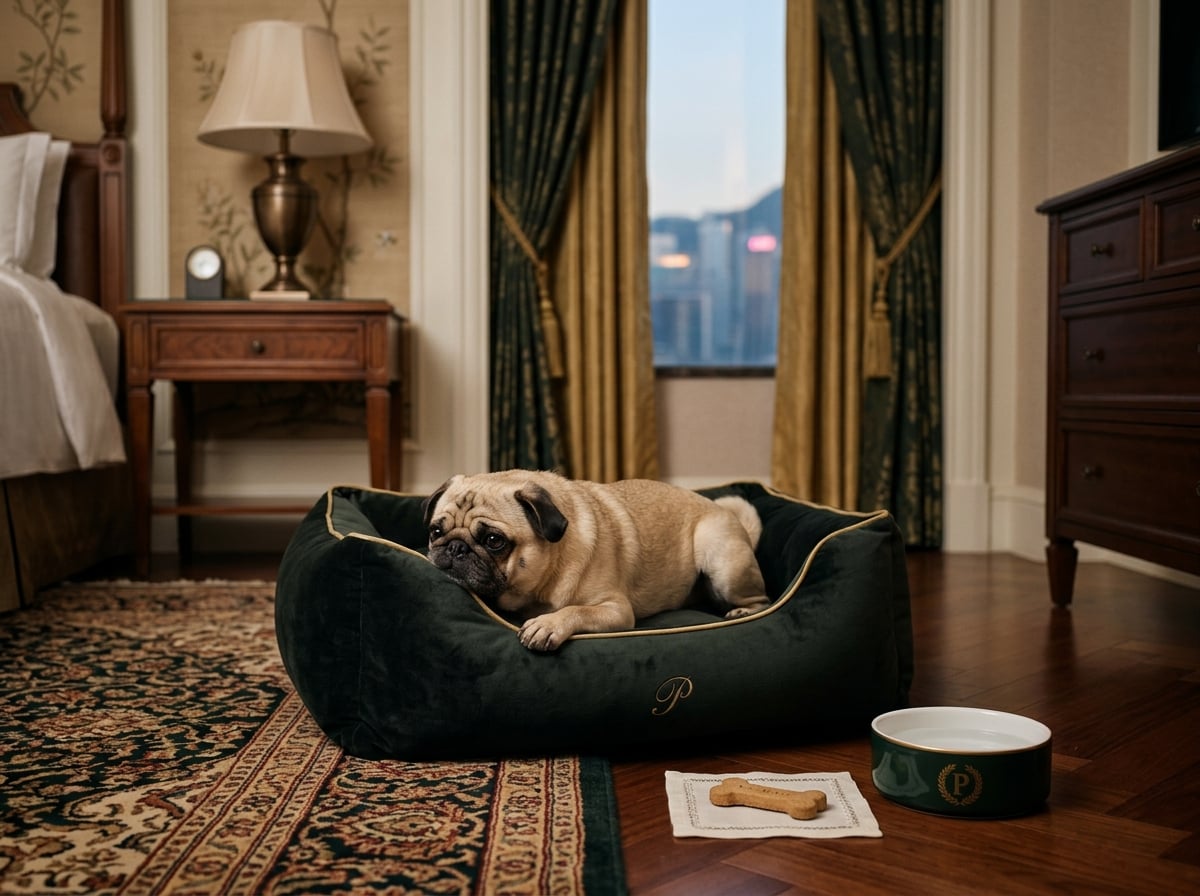
The Peninsula still sets the benchmark for old-world Asian luxury, with flagship addresses in Hong Kong, Tokyo, Shanghai, and Beijing. Several locations welcome small dogs — generally under about 9 kg (20 lbs) — and treat them like paying guests, right down to plush beds, ceramic bowls, treats, and, at some hotels, a dedicated in-room dining menu for pets. The Peninsula Tokyo has quietly built a loyal following among traveling dog owners for exactly this reason. Because policy is set locally rather than group-wide, confirm your specific hotel's weight limit and fee at the time of booking, not after you've already packed the carrier.
2. Mandarin Oriental
Mandarin Oriental built its reputation on service that anticipates a guest's needs before they're spoken, and that instinct carries over to pets at a number of its Asian hotels. Depending on the property, your dog might find a bed, bowls, treats, and a handwritten welcome note waiting in the room. Bangkok, Tokyo, and Hong Kong are the three worth checking first if you're comparing pet friendly hotels in Bangkok and Tokyo side by side, though weight caps and the number of pets permitted differ at each address. Never assume the brand standard applies uniformly — verify the specifics for your actual destination before you book.
3. Shangri-La Group
Shangri-La runs one of the largest luxury portfolios in Asia, and a solid share of its hotels accept pets. Participating properties typically supply beds, bowls, and treats, while the higher-end resorts sometimes add dog-walking or pet-sitting on request. Acceptance here is strictly location-by-location — a city hotel might say yes while a resort in the same country says no — so contact the specific property rather than trusting a general group policy page.
4. Park Hyatt Hotels & Resorts
Park Hyatt leans understated and residential, which suits pets that get overwhelmed by a busy, echoing lobby. Select hotels in the group welcome small pets and provide the usual comforts — bedding, bowls, treats — typically attached to a per-stay pet fee. The broader World of Hyatt network has steadily widened pet acceptance across its brands over the past couple of years, so it's worth asking even at properties that don't advertise it loudly on their website.
5. Ibis Hotels
Not every trip calls for a marble bathroom and a butler. Ibis, part of the Accor family, is the sensible mid-range option for owners who want a clean, reliable room at a fair rate rather than a turndown treat for the dog. Plenty of Ibis and Ibis Styles locations across Southeast Asia and Japan accept pets, often for a small fee or none at all. The amenities stay basic, but the welcome is genuine — and for a road trip stopover or a single-night city stay, that's really all you need.
6. InterContinental Hotels & Resorts
InterContinental, IHG's flagship luxury brand, accepts pets at a good number of its Asian hotels and resorts. Expect beds, bowls, and treats at participating properties, with resort locations sometimes offering considerably more room to roam outdoors. IHG One Rewards applies as normal, which makes this an easy pick if you're already collecting points with the group. Weight limits and fees are, once again, set at the individual property level rather than brand-wide, so a resort in Phuket and a city hotel in Seoul can carry entirely different rules — a good reminder to check specifics if you're also planning around the best things to do in Phuket during the same trip.
7. The Broader Accor Network
Look beyond Ibis and the wider Accor group — Novotel, Pullman, Sofitel, Mercure, MGallery — turns out to be one of the most consistently pet-welcoming networks anywhere in the region. Coverage spans budget to genuine luxury, which makes Accor a smart backbone when you're planning a multi-city itinerary and don't want to gamble on finding a pet-friendly room in every stop. Policies still vary property to property, but the sheer density of participating hotels means you're rarely left without an option, whether you're passing through a major capital or a smaller regional city.
8. The Ritz-Carlton
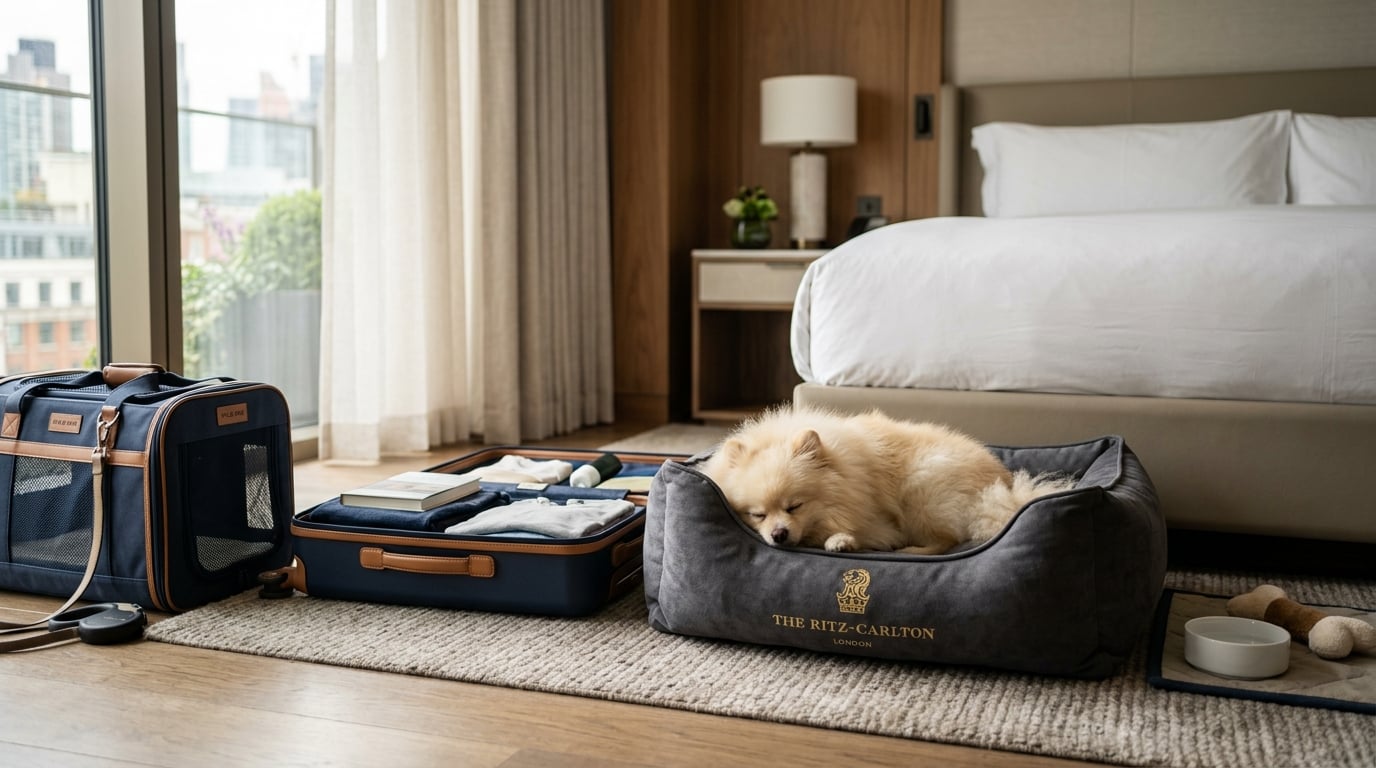
The Ritz-Carlton, under Marriott, brings real polish to pet travel at select Asian addresses. Where animals are welcome, expect thoughtful touches — proper bedding, bowls, treats, and staff who genuinely know how to handle a nervous dog rather than just tolerate one. Marriott's brand-wide pet guidance sets the general framework, but individual Ritz-Carlton hotels tighten or relax it as they see fit, so confirm before booking. Fees here tend to sit at the higher end of the range, and this is one of the better bets among hotels that allow dogs and cats in Asia if budget isn't the main concern.
9. Four Seasons Hotels & Resorts
Four Seasons remains a dependable name for travelers who refuse to compromise on service, pet in tow or not. Many of its Asian properties accept pets with beds, bowls, and treats, and several resorts will arrange dog-walking or sitting on request. The brand's reputation for flexibility means staff routinely go out of their way to accommodate reasonable asks — though that level of attention shows up in the pet fee, which can run notably higher than at mid-range chains. If you're comparing service standards across the Four Seasons portfolio more broadly, the group's approach in destinations like Maui — detailed in this Four Seasons Resort Maui at Wailea guide — gives a useful sense of what the brand's top-tier hospitality looks like outside Asia too.
10. W Hotels
W Hotels, Marriott's design-forward brand, has been openly pet-forward for years through its "PAW" (Pets Are Welcome) program. Participating W properties across Asia offer pet beds, bowls, and treats, wrapped in the brand's usual loud, playful energy. If you want a hotel where your dog is treated as part of the scene rather than grudgingly tolerated in a corner room, W is the one worth booking first — and it's a strong entry point if you're specifically hunting for dog friendly hotels Asia travelers rate highly for atmosphere rather than just policy.
Tips for Booking a Pet-Friendly Hotel in Asia
A few hard-won lessons will save you real grief. Book direct and get the pet policy confirmed in writing, since third-party booking sites almost never carry accurate pet terms — they're built for room rates, not fine print. Ask specifically about the weight limit, whether the fee is charged per stay or per night, whether a refundable deposit applies, and about breed restrictions, since some hotels quietly turn away certain breeds regardless of size or temperament. If your dog needs frequent walks, request a ground-floor or garden-access room rather than a high floor with a slow elevator. And always ask what happens if you need to step out and leave your pet unattended — plenty of properties forbid it entirely, while others simply require you to arrange a sitter through the concierge.
It's also worth thinking about your itinerary as a whole rather than hotel by hotel. If your Asia trip includes a stretch of family time before or after the pet-friendly leg, resources like this guide to family-friendly hotels in Sri Lanka can help you map out the non-pet portions of a longer regional trip without starting your research from scratch.
If you're weighing options beyond the big chains, it's also worth browsing a dedicated list of luxury dog-friendly hotels around the world for comparison — some of the standards set by top international properties are a useful benchmark when judging what counts as genuinely pet-friendly versus merely pet-tolerant. And if Bangkok is on your route, pairing your pet research with a broader look at where to stay in Bangkok will help you cross-check neighborhoods against which of the best hotels that allow pets in Asia actually sit near parks, vets, or pet-friendly transit options.
Sort every piece of paperwork long before you touch a booking site. The best hotels that allow pets in Asia won't do you any good if your dog ends up stuck in quarantine because the rabies antibody test was dated a week too late. Build your itinerary around the customs timeline first, the hotel policy second, and the fun part — the actual trip — will take care of itself. For general planning beyond pets, a quick read through core travel tips for your next trip is a smart supplement, since jet lag, luggage rules, and local transport all get more complicated once there's a crate or carrier involved.